

Sensory Toys for Blind Dogs: A Guide to Engaging Play
Blind dogs experience the world differently, but their play drive and need for stimulation are just as real as any sighted dog’s. For owners searching for toys for blind dogs, the challenge is clear: how do you keep your visually impaired companion active, happy, and engaged when vision is off the table? This guide is for anyone seeking practical, experience-backed advice on choosing the right playthings for blind or low-vision pets.
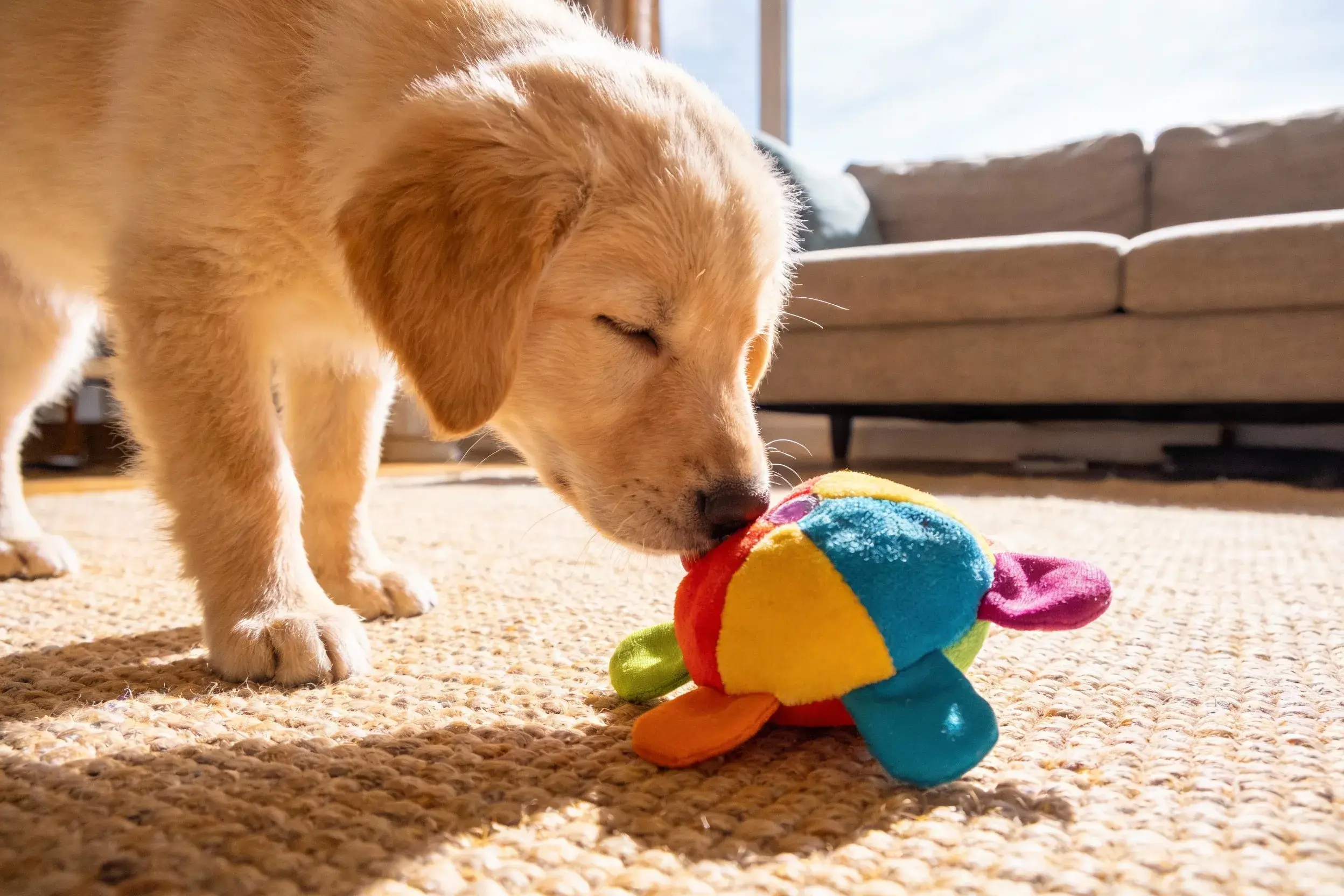
Why Standard Dog Toys Don't Work for Blind Dogs
Standard dog toys—those familiar rubber balls, rope knots, and stuffed animals—are built around the idea of sight. Most people assume a toy is meant to be thrown and retrieved. But for a blind dog, that kind of chasing is out of the question. The outcome? Frustration, plain and simple, for both the dog and the owner.
The problem isn't that the dog isn't interested; it's that regular toys don't offer any other way to interact. Without sound, smell, or texture to guide them, a blind dog can't even find the toy after it's been tossed. That's why toys specifically designed for sensory play aren't just a luxury. They're a necessity.
Sensory Play: Leveraging Sound and Scent
The Power of Auditory Cues
Squeakers, crinkles, and bells aren’t just fun additions—they’re navigation tools. Toys that emit a distinct, consistent noise allow blind dogs to “track” movement and location without needing sight. I’ve seen dogs light up when a squeaky ball keeps them dialed in on play, even across the room.
Why this matters:
- Sound gives immediate feedback (“I found it!”).
- Interactive play becomes possible again—tug, fetch, or solo play all work.
- Dogs learn to associate specific noises with their toys (reducing anxiety and confusion).
Common pitfall: Not all sounds are equal. Toys with faint squeaks or unpredictable noises can frustrate a blind dog. Continuous or easy-to-activate sounds are best.
Scented Toys: Engaging the Nose
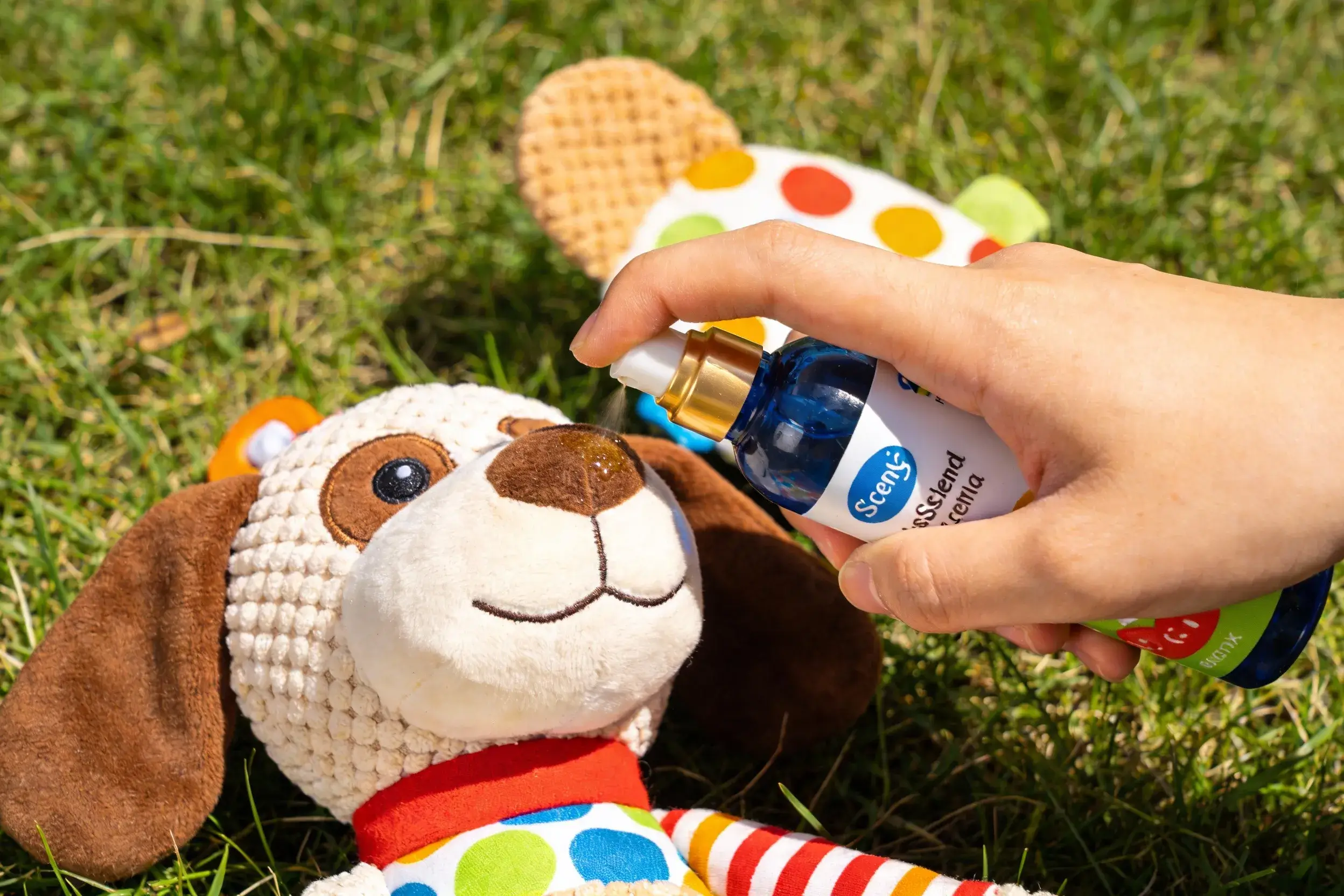
A blind dog’s sense of smell is both compensatory and highly refined. Scented toys for blind dogs—those infused with safe, strong-smelling flavors—can turn a simple object into a captivating puzzle. Some owners even add a few drops of dog-safe essential oil or rub a treat on a toy to boost interest.
Why this matters:
- Scented toys are easier to find if dropped or thrown.
- Smell-based play is mentally enriching—sniffing out a toy mimics natural foraging.
- Not all scents are appealing; avoid harsh or artificial fragrances.
Caution: Always verify that added scents or oils are dog-safe. Certain essential oils can be toxic or irritating.
Choosing the Right Dog Toys for Blind Dogs
When picking toys for a blind pet, don’t just buy what’s labeled as “for blind dogs.” Look for these features and evaluate based on your dog’s preferences and play style.
| Feature | Why It Matters | What to Look For |
|---|---|---|
| Sound | Enables tracking and feedback | Loud squeakers, bells, crinkle |
| Scent | Aids location and interest | Infused scents, treat pockets |
| Texture | Offers tactile exploration | Ridges, bumps, varied fabrics |
| Durability | Withstands rough play | Reinforced seams, tough rubber |
| Safety | Prevents choking or ingestion | No small parts, non-toxic |
Real scenario:
A client’s senior Lab, blind from glaucoma, ignored silent tennis balls but became obsessed with a bacon-scented, crinkly plush. The combination of smell and sound turned playtime from a chore into a highlight of her day.
Best Types of Toys for Blind Dogs—and What to Avoid
Not every “sensory” toy is created equal. Here’s a breakdown based on real-world outcomes.
Recommended
- Squeaky or crinkly plush toys: Easy to bite, make noise on every squeeze.
- Scented chew toys: Durable and infused with meaty or herbal scents.
- Treat-dispensing puzzles: Require dogs to sniff, paw, and nudge for rewards.
- Balls with bells inside: Allow for fetch games with audible tracking.
- Textured rubber bones: Add tactile interest for exploratory chewing.
Use With Care
- Rope toys: Great for tug, but offer little sound or scent unless modified.
- Hard plastic toys: Can be slippery and silent; better with embedded bells.
Avoid
- Tiny toys: Choking risk.
- Toys with small, detachable parts: Blind dogs may not see hazards before biting.
- Silent, smooth toys: No cues = no interest.
“The best toy is the one your dog actually responds to—not the one with the fanciest marketing.”
Setting Up Safe, Stimulating Play Sessions
Selecting the right toy is just the start. The context matters.
Tips for better play:
- Always introduce a new toy with your scent on it. This builds trust.
- Use a consistent play area free of sharp corners or clutter.
- Announce play verbally (“Ready?” or the toy’s name) so your dog knows what’s coming.
- Supervise early play to see what works and what flops.
- Rotate toys to keep novelty high, but don’t overwhelm with too many choices.
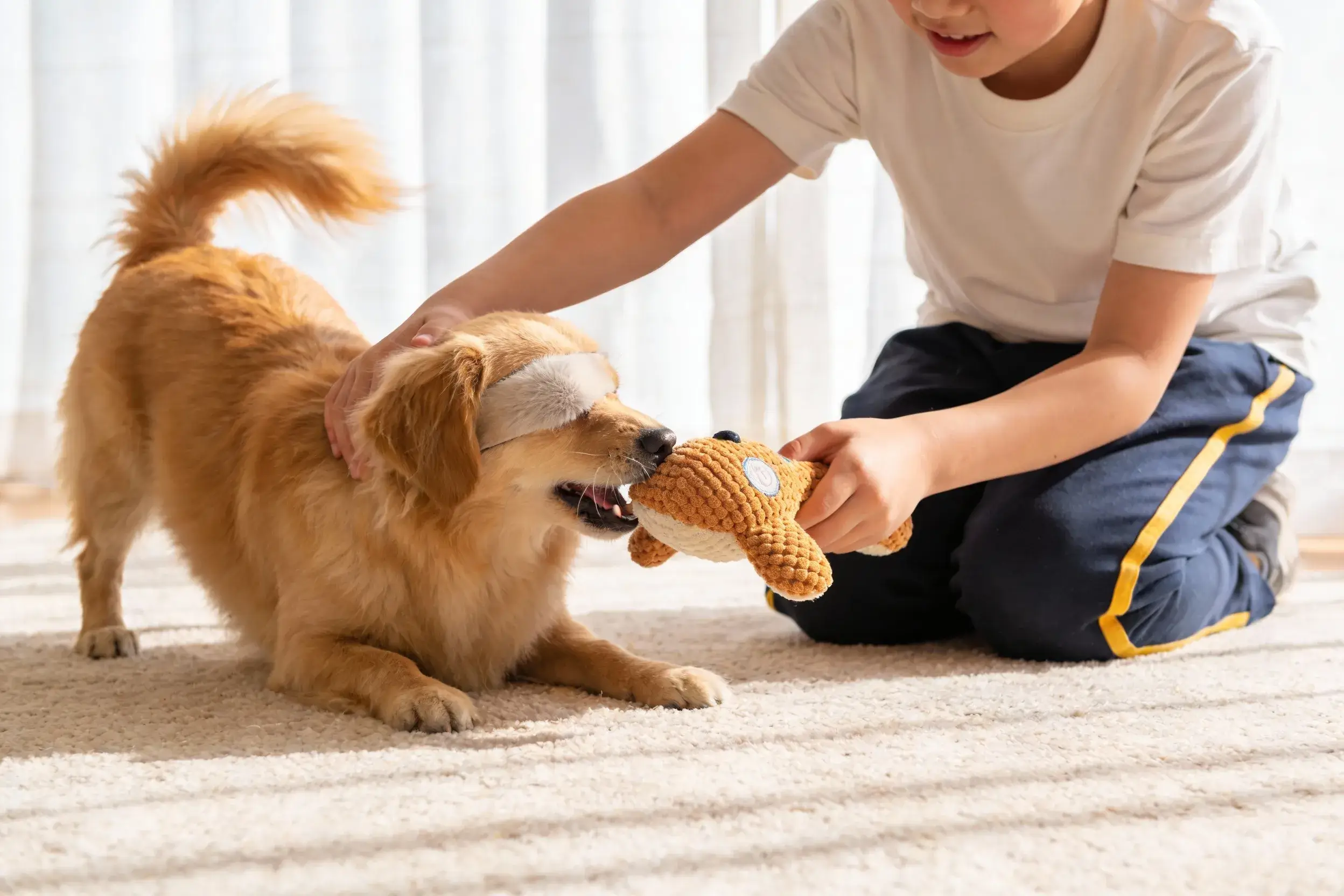
What Most People Overlook: Emotional Connection Matters Most
The biggest mistake? Assuming toys alone solve boredom or anxiety. For blind dogs, play is about assurance and shared experience. The act of you engaging, narrating, and adapting play is what makes a toy truly valuable—not just the sensory features.
A dog ignored by their owner, no matter how “enriching” the toy, will still feel isolated. But a simple, scented ball becomes a tool for connection in your hands.
Final Thoughts: Selecting and Enjoying Toys with Blind Dogs
Choose toys that make noise and have a strong smell; these help compensate for what your dog can't see. Safety, how long the toy lasts, and how it feels are the most important things to think about. Try different things: not every dog will like every toy, but sound and scent are good places to start. Keep in mind that how you play and the feelings involved are more important than any specific toy.
Blind dogs don't want pity—they want to have fun. The right toys, used in the right way, can lead to happy, fulfilling playtime.