

Why Are Dogs Obsessed with Squirrel Toys? Explained
Why Dogs Chase Squirrels—And Their Toys
Dog owners everywhere have seen the wild, laser-focused excitement when a squirrel scampers by. But why does this same energy erupt around a squirrel dog toy? If you’ve ever wondered why your dog is so deeply obsessed with these plush rodents—especially the “hide a squirrel dog toy” styles—this article is for you. Here, we break down the science, behavior, and design choices behind dog toys with squirrels, so you can pick the best for your pet and understand what’s really going on in their head.
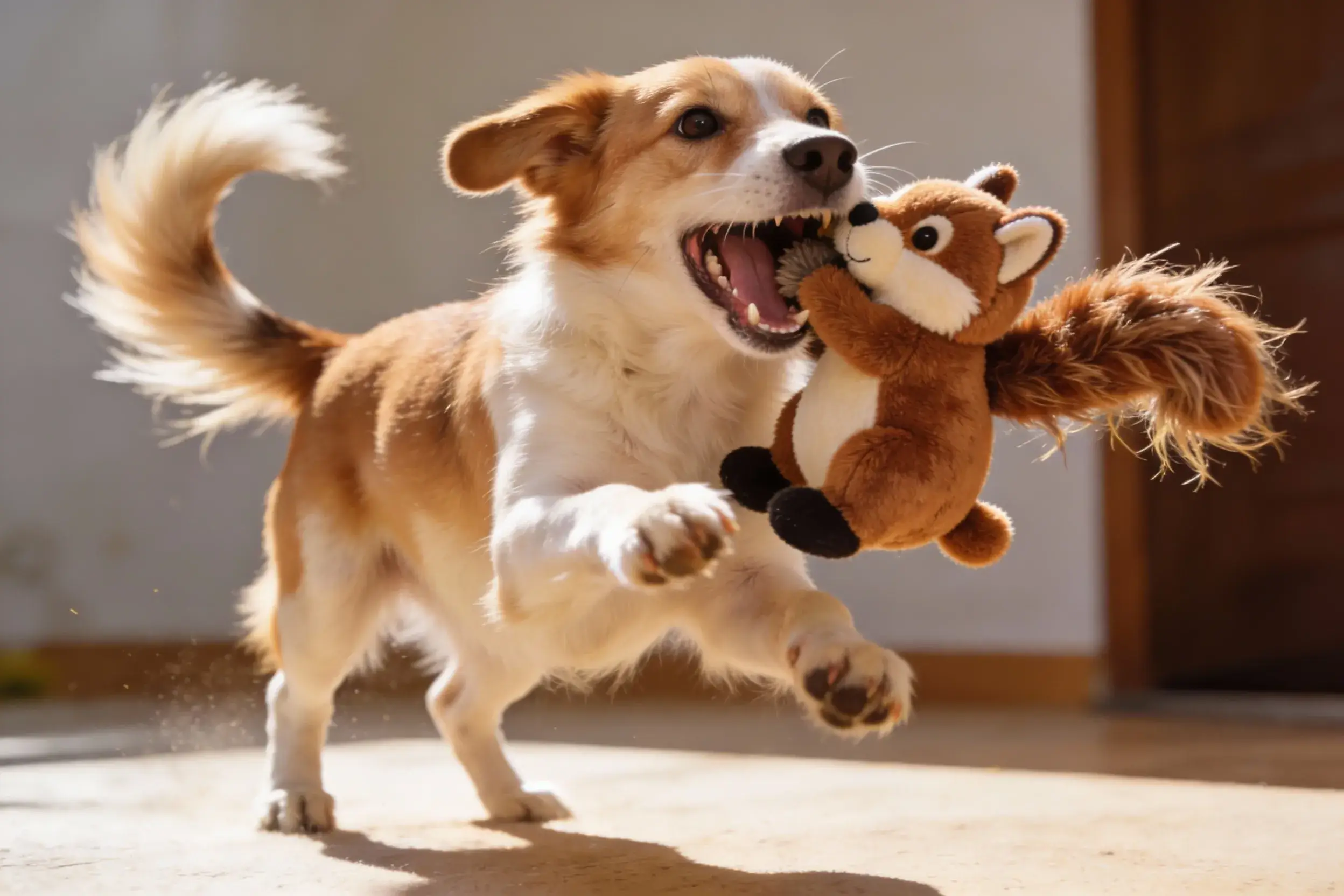
The Prey Drive: What Really Fuels the Obsession
Dogs are not chasing squirrels out of pure mischief—they’re acting on deeply-rooted instincts. The “prey drive” is a set of behaviors passed down from wolves and wild canines. It includes searching, stalking, chasing, biting, and even “killing” prey (in play, this means shaking or chewing toys).
Practical example:
Ever notice your dog’s body go tense, eyes locked, and tail up when a squirrel enters the yard? That’s the prey drive at work. Most domestic dogs won’t ever hunt for survival, but the urge to chase small, fast-moving creatures remains.
Why this matters:
If you don’t channel this energy, your dog might invent their own outlets—like tearing up shoes, barking at windows, or chasing cars. Squirrel dog toys give a safe, controlled way for dogs to express these natural behaviors.
Hide-and-Seek: The Genius of Tree Trunk Toys
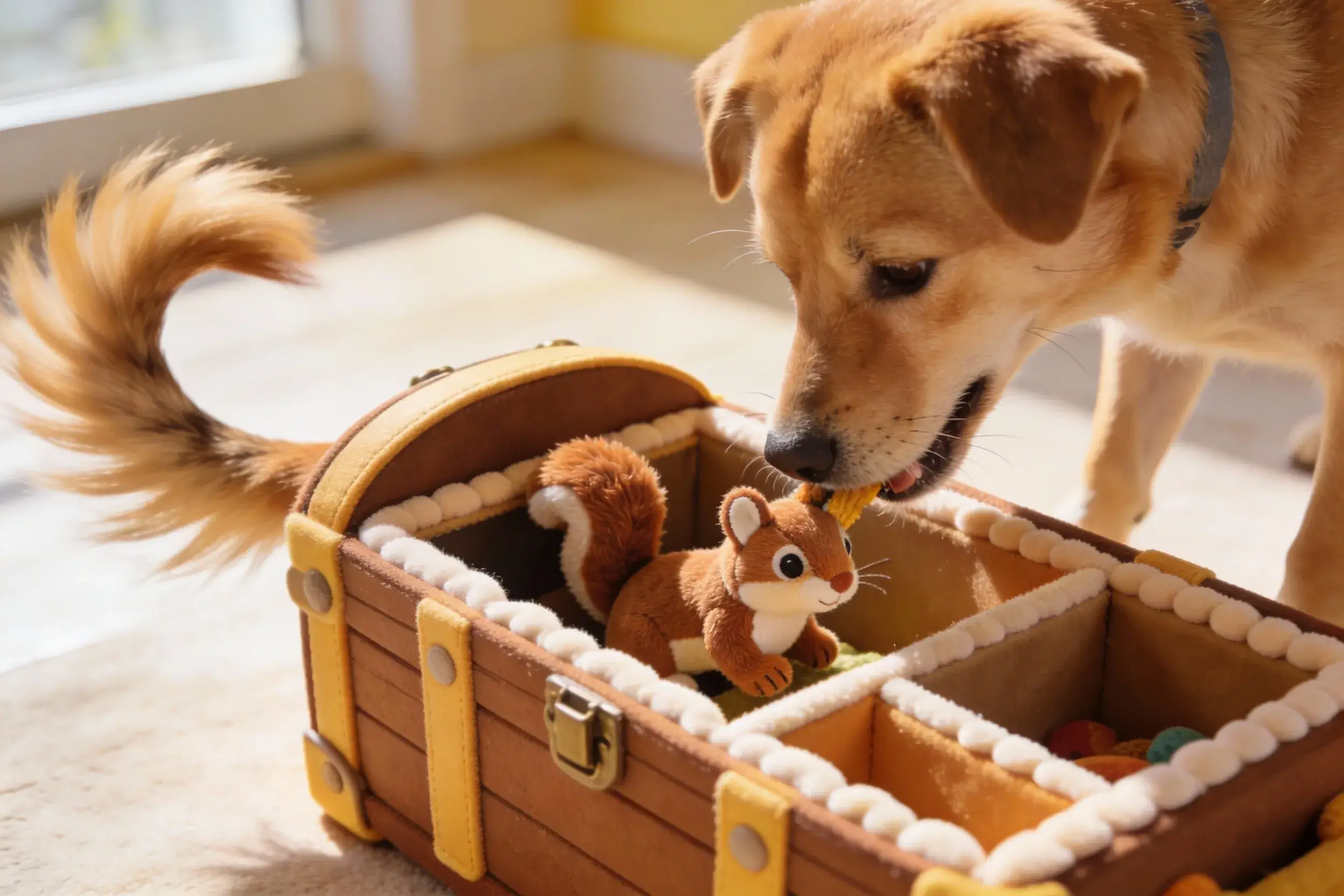
The “hide a squirrel dog toy” (also called the tree trunk hide-and-seek toy) is a standout for one reason: it doesn’t just offer a plush animal to chew—it creates a mini hunting scenario. These toys usually include:
- A soft “tree trunk” or log with holes
- Several small plush squirrels (sometimes with squeakers)
- The challenge of pulling squirrels out of the trunk
Comparison:
Standard plush toys offer chewing and carrying. Hide-and-seek squirrel toys add problem-solving and excitement. For a dog, each squirrel hidden in the trunk offers a new “catch,” refreshing the game every time you restock it.
What most people overlook:
Dogs bored with regular plushies often stay engaged longer with hide-and-seek toys. The act of digging, sniffing, and extracting the squirrels closely matches their instinctual behaviors. In my experience, even senior dogs—those who ignore balls or ropes—perk up with these interactive setups.
Why Realistic Squirrels Work: Texture, Squeak, and Size
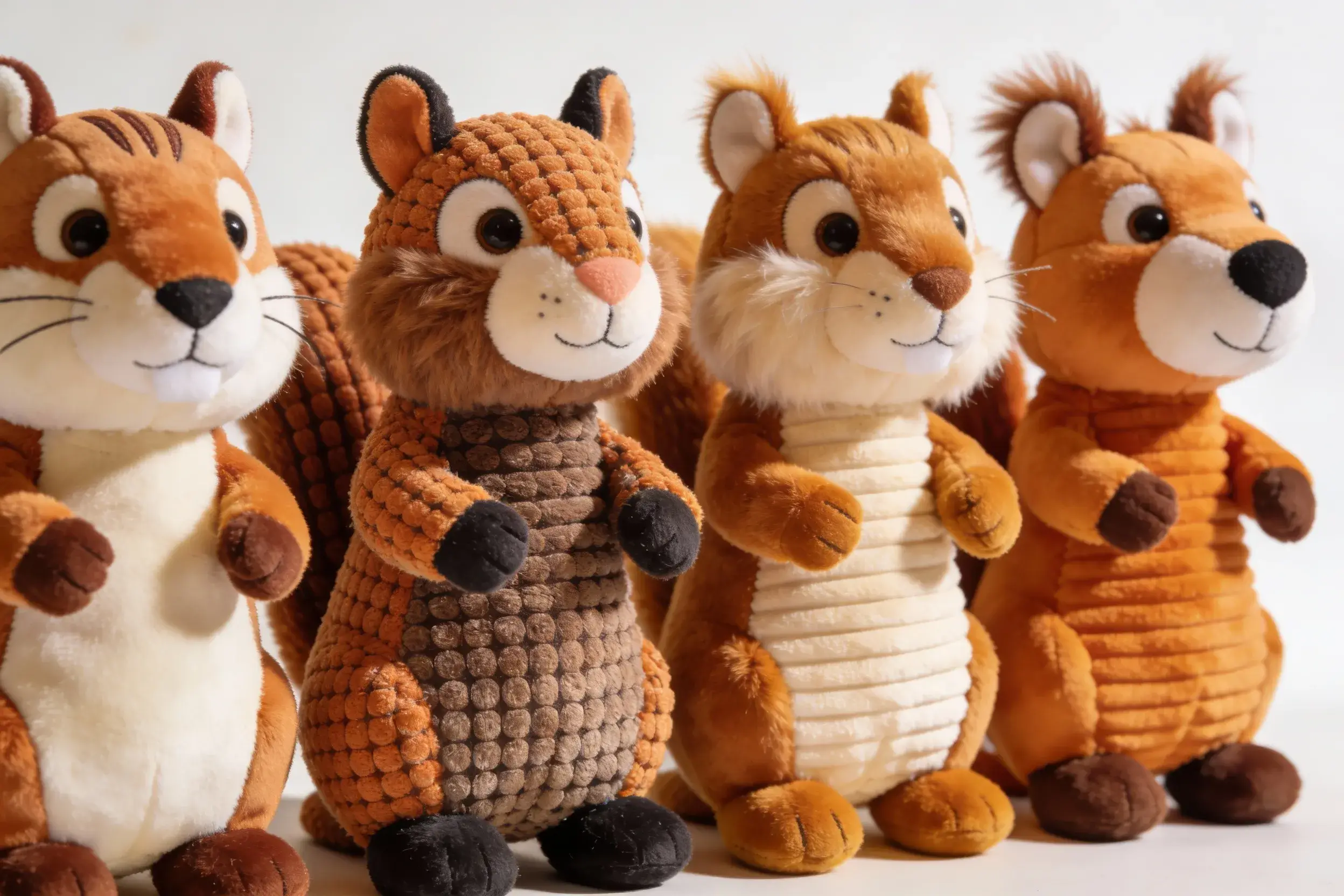
Not all dog toys with squirrels are equal. The most effective ones mimic real prey in subtle ways:
- Texture: Soft, fuzzy fabric resembles small animal fur, encouraging mouthing and gentle chewing.
- Squeak: Squeakers simulate the sounds of distressed prey (this triggers that prey drive again).
- Size: Small enough to grip, shake, or carry—too big, and the illusion breaks.
Practical scenario:
I’ve tested dozens of squirrel toys with various breeds. Dogs consistently favored those with a realistic squeak and plush texture over rubber or hard plastic alternatives. Some even “guard” their squirrel plushies, carrying them around the house and sleeping with them.
Trade-off:
Realistic plush toys are more engaging but less durable for power chewers. If your dog destroys toys in seconds, consider rotating squirrel toys or using them for supervised play only.
Common Misconceptions: It’s Not Just “Cuteness”
It’s tempting to think dogs just like squirrel toys because they’re cute or novel. That’s missing the point. The obsession is about instinct, not aesthetics.
Key insight:
The more a toy mimics a real-life hunting experience, the more likely it is to hold your dog’s attention. Hide-and-seek squirrel toys don’t just look fun—they function as dog puzzles, tapping into problem-solving skills and the satisfaction of “catching” prey.
What fails:
Toys that don’t offer interaction—like stiff, oversized, or silent plush squirrels—often get ignored after the first few minutes. Dogs want to chase, extract, and “kill,” not just chew.
| Toy Type | Engagement Level | Durability | Best For |
|---|---|---|---|
| Hide-and-Seek Trunk | High | Moderate | All breeds, puzzle fans |
| Plush Squirrel | Medium | Low | Gentle chewers, puppies |
| Rubber Squirrel | Low | High | Aggressive chewers |
Making a Better Choice: What Actually Matters
If you want to satisfy your dog’s instincts (and save your furniture), choose toys that:
- Let your dog “hunt” or extract
- Include multiple pieces for ongoing play
- Feature textures and sounds that mimic real prey
Decision framework:
- Does your dog shred toys? Stick with supervised hide-and-seek play.
- Does your dog lose interest quickly? Rotate toys and use only for special play times.
- Does your dog love fetch or tug? Use the squirrels as toss or tug toys outside the trunk.
Takeaways for Pet Owners
Dogs' fascination with squirrel toys isn't a coincidence; these toys play on instincts honed over generations. The most effective squirrel dog toys allow your dog to chase, hunt, and "capture" in a controlled, repeatable manner. For a happier, more stimulated dog, select toys that simulate actual prey and present interactive challenges. Steer clear of dull plush toys and oversized gimmicks; instead, opt for hide-and-seek or squeaky, lifelike alternatives. The right squirrel toy can channel pent-up energy into enjoyable, constructive play.