

Effective Rabbit Dog Toys for Recall Training
Why Rabbit Dog Toys Work for Recall Training
Dog owners who want a reliable recall know the challenge: you call, your dog hesitates—or worse, ignores you. The right stimulus changes everything. A rabbit dog toy can transform your recall game by tapping into your dog’s natural prey drive. This article explains why realistic rabbit toys, especially those with long ears and plush builds, outperform generic fetch toys for teaching both “Recall” and “Release.” Expect practical guidance for integrating these toys into your training routine and stronger, faster results for your dog.
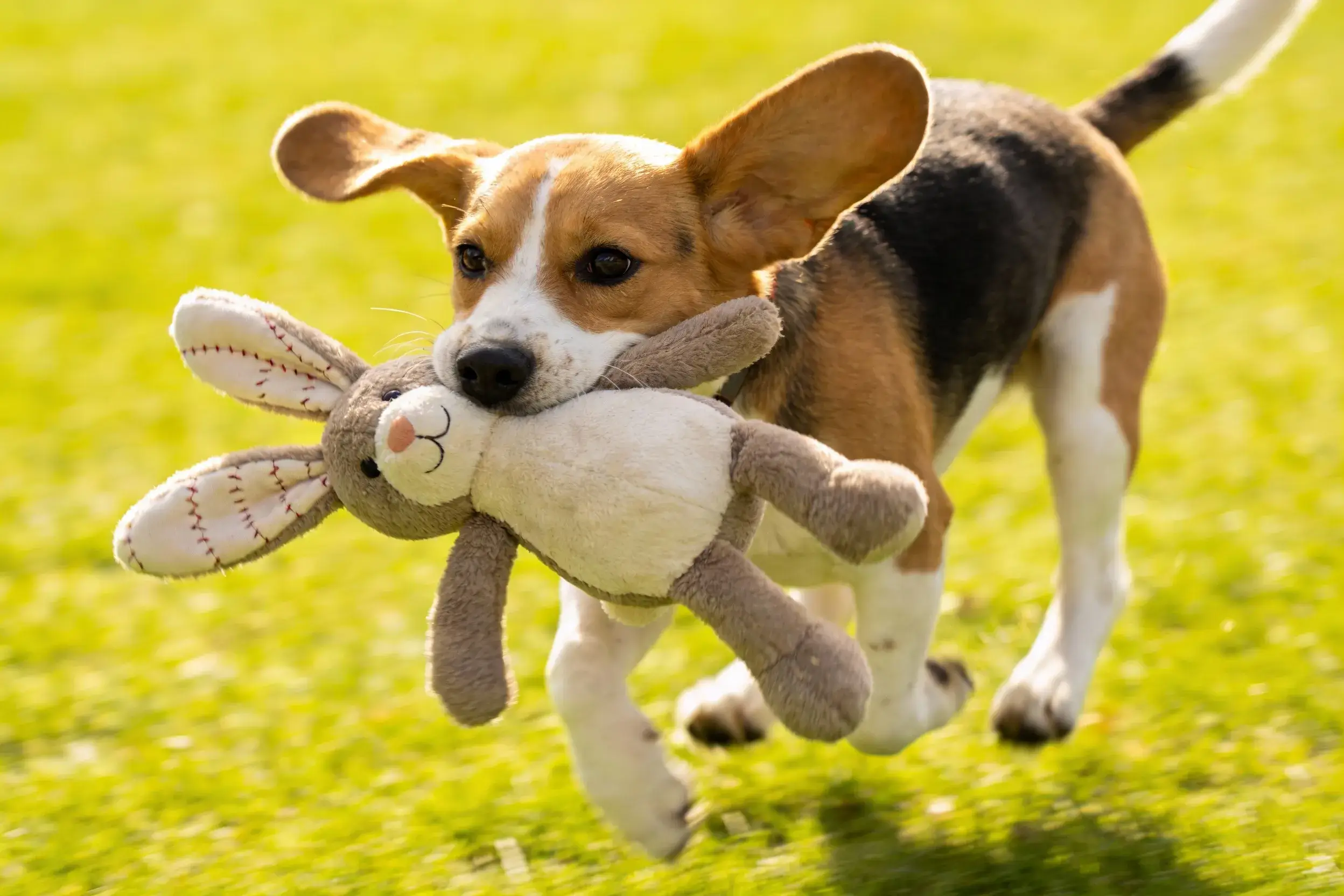
The instinct to chase is hardwired in dogs. Their evolutionary past as hunters makes a moving, squeaking rabbit toy far more enticing than a simple tennis ball. When you're trying to train your dog to come when called, the aim is to make returning to you more appealing than whatever else has captured their attention.
So, what's special about a bunny dog toy?
- Shape and Movement: Those long ears and floppy limbs mimic the way prey moves.
- Texture: Plush rabbit dog toys are satisfying to grab and shake.
- Sound: Some of them squeak, adding to the overall experience.
Think about a regular rubber ball. Balls roll in predictable patterns and don't offer the soft, "prey-like" feedback that many dogs find so appealing. Rabbit-shaped toys give your dog a reason to come running back—because it feels like the real deal.
Integrating Rabbit Toys into Recall Training
Let’s get concrete. Here’s how to use a rabbit dog toy to reinforce “Come” and “Release”:
- Start in a Low-Distraction Area: Hold up the toy, wiggle it enticingly.
- Give the Recall Cue (“Come!”): The toy becomes your dog’s reward for returning.
- Let Your Dog Grab the Toy: A brief, energetic tug or toss increases value.
- Add the “Release” Cue: After a few seconds, ask for “Drop it,” and immediately re-engage with the toy if your dog complies.
Repeat. This cycle creates a powerful association: coming to you means prey play, and releasing the toy means more fun is coming. Dogs quickly learn that recall isn’t just about stopping the fun—it’s the gateway to it.
What most owners get wrong: They treat recall as a chore, rewarding with bland treats or praise. For many high-drive dogs, that’s not enough. A rabbit toy taps into instinct and makes you the source of the best game in town.
Durability and Design: What to Look For
Not all rabbit dog toys are created equal. Here’s what matters:
| Feature | Why It Matters | What to Look For |
|---|---|---|
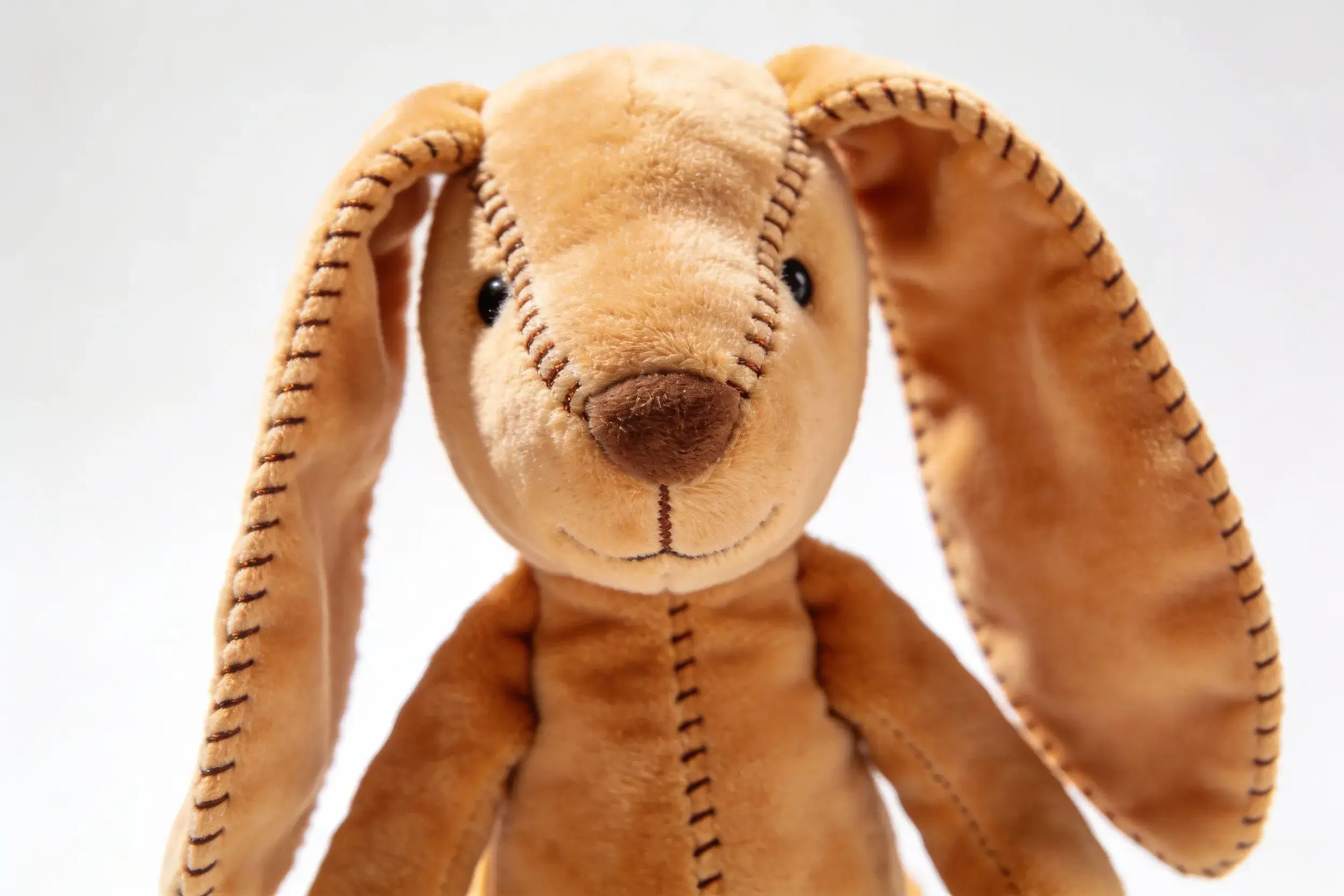
| Long Ears | Easy for dogs to grab and shake | Reinforced stitching, plush but tough |
| Sturdy Seams | Prevents toy “explosions” | Double-stitched, hidden seams |
| Squeaker | Keeps attention high | Durable, safely embedded |
| Size | Safety & fun | Matches your dog’s jaw size |
Avoid toys with glued-on eyes or accessories—choking hazards for power chewers. Opt for toys marketed as “durable” or “tough plush,” especially for strong-jawed breeds.
Plush Rabbit Dog Toy vs. Other Prey Toys
Is a plush rabbit dog toy better than a squirrel, duck, or fox?
- Rabbit: Ears and shape make for unpredictable movement—dogs love it.
- Squirrel: Tail is fun but often less durable.
- Duck: Good for retrievers, but less “chase appeal” for some dogs.
For most breeds, the rabbit’s floppy design and soft body hit the sweet spot between realism and safe play. But always match the toy to your dog’s size and bite strength.
Failure Cases: When Rabbit Toys Don’t Work
No tool is perfect. Sometimes, even the best rabbit dog toy flops:
- Dog is not toy-motivated: Some dogs prefer food or praise.
- Toy is too fragile: Dogs destroy it in minutes; it ceases to be rewarding.
- Recall foundation is missing: The toy alone won’t fix a poor training base.
If your dog isn’t interested, experiment with different textures (some like crinkle sounds). If durability is the issue, rotate toys and supervise play. And always build a basic recall before introducing high-value toys—otherwise, the toy just becomes a distraction.
What Most Owners Overlook
The biggest oversight? Treating the toy as a static reward. The real power of a rabbit dog toy is in dynamic, interactive play. Move it, shake it, make it “run away”—let your dog chase and “catch” it in bursts.
Another common mistake: waiting too long to reward. Timing is everything. Reward the moment your dog starts coming, not just when they arrive, to reinforce the behavior you want.
Actionable Takeaways
Employ a rabbit dog toy to ignite your dog's prey drive, making recall training a game they can't resist.
Select toys with long ears, robust seams, and safe squeakers; these features ensure both longevity and enjoyment.
Incorporate the toy into your recall and release commands—it's not just a fetch item.
If your dog isn't responding, experiment with different textures, sounds, or other rewards.
Maintain interactive play and precise timing to maximize the training's effectiveness.
While rabbit toys aren't a panacea, they're a potent recall training aid that many owners fail to consider. Use them wisely, and you'll witness quicker, more dependable returns, regardless of your dog's distractions.