

Flat-Face Friendly Toys for Pugs: A Guide to Brachycephalic Breeds
Flat-Face Friendly Toys for Pugs: A Guide to Brachycephalic Breeds
Pug parents understand the struggle: countless toys are made for the average dog, not for the specific requirements of brachycephalic breeds. The wrong choice can lead to a frustrated pup, or even worse, pose a health hazard. This guide is for those who have ever questioned whether that adorable plush or chew will actually suit their pug's toy needs—or if it's simply another regrettable buy.
The key takeaway: Pugs need toys that are lightweight and easy to hold, ensuring their breathing and comfort aren't compromised. This article will assist you in selecting safe, enjoyable options designed with their unique anatomy in mind.
Why Typical Dog Toys Don’t Work for Pugs
Standard dog toys often assume long snouts and strong jaws. Pugs have neither.
Their short, flat faces (the signature of brachycephalic breeds) come with:
- Shorter airways, making strenuous play a breathing hazard
- Wide-set jaws that can’t get a solid grip on big or rigid toys
- Disinterest in chasing or tugging for long periods
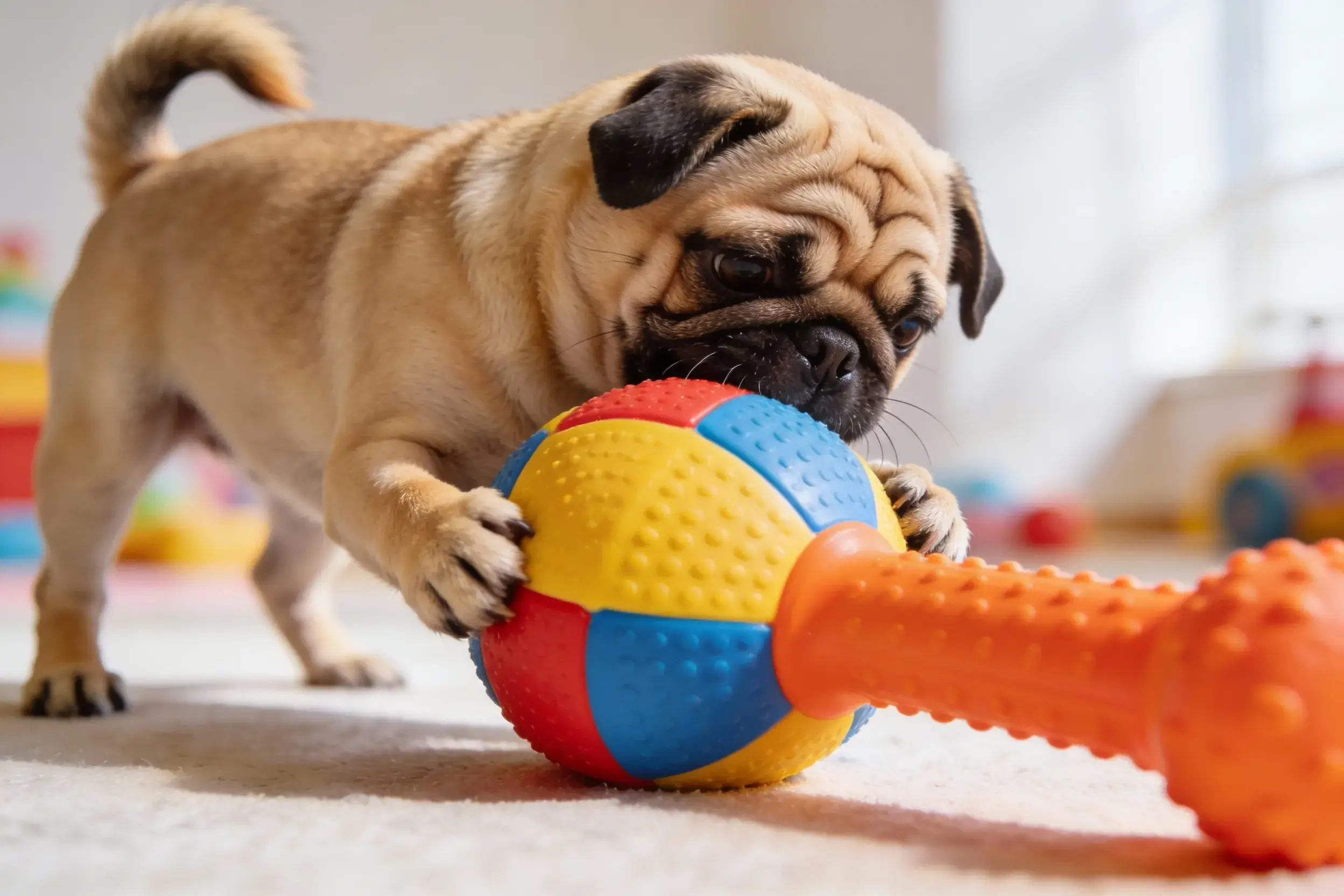
For most pugs, toys that work for Labradors or terriers simply end up ignored. Or worse, they become a safety issue—hard rubber balls, for example, can get stuck or make breathing tricky if the pug tries too hard to pick them up.
“A toy that’s too heavy or requires biting down hard? Most pugs will give up. That’s not laziness—it’s a design mismatch.”
Core Criteria: What Makes a Toy Pug-Friendly?
Let’s break down the must-haves for a safe and enjoyable pug dog toy:
- Lightweight: Pugs don’t have the jaw strength (or airway capacity) for heavy objects.
- Plush or Soft: Gentle on teeth and easy to grab with flat faces.
- Static or Stationary: Toys that stay put are less likely to cause overexertion.
- Easy to Pick Up: Flat, wide, or with “handles” for awkward mouths.
- Non-toxic Materials: Always a must, but particularly for breeds prone to chewing.
Here’s a quick comparison of toy types:
| Toy Type | Pug-Friendly? | Why/Why Not |
|---|---|---|
| Rope Toys | Sometimes | Ok if soft and lightweight; avoid large sizes |
| Hard Rubber Balls | No | Too heavy, difficult to grip or breathe around |
| Plush Toys | Yes | Lightweight, compressible, easy to hold |
| Squeaky Toys | Yes/Maybe | If soft and not too small (avoid choking) |
| Tug Toys | Rarely | Only if designed for small, flat-faced dogs |
Best Toy Types for Pugs (And Why)
Lightweight Plush Toys
Nothing beats a good pug dog stuffed toy for most pugs.
These toys are:
- Easy to carry—even for the laziest chewer
- Soft enough for flat faces
- Usually safe for gentle indoor play
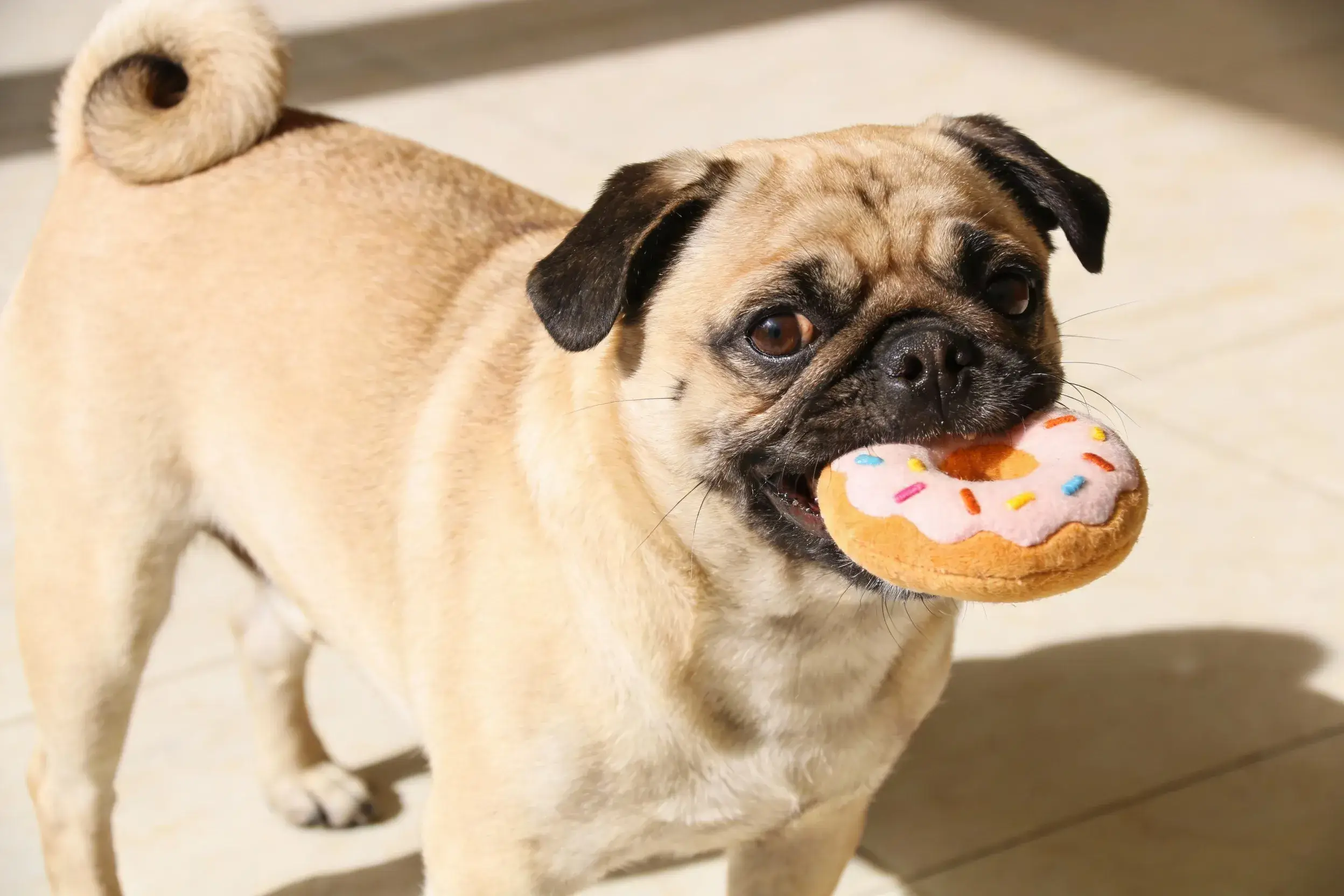
Example: Small animal-shaped plushies (think beaver, donut, or hedgehog) are excellent because the limbs or “holes” make them easier for a pug to grab.
Static Chew Toys
The best dog toys for pugs aren’t always the ones that roll or fly.
Static chews—like soft rubber “bones” or textured rings—let your pug lie down and gnaw at their own pace.
Benefits:
- No need to chase, reducing risk of airway stress
- Can soothe teething or mild anxiety
- Easier to monitor for wear and tear (chewed pieces are a choking risk for any dog, but especially for pugs)
Puzzle Toys (With Caution)
Puzzle feeders can be a great way to keep a pug’s mind active. However, avoid designs that require deep snout insertion or hard, prolonged tugging.
What works:
Shallow treat mats or soft “snuffle” mats, where your pug can use their paws and tongue more than their jaw.
What often fails:
Deep treat-dispensing balls or complicated puzzle boxes—these can frustrate and exhaust a pug quickly.
Overlooked Mistakes: What Most People Miss
Many pug owners assume “small dog” toys will work, but:
- “Small” does not always mean “flat-face safe.” Many mini toys are too hard or have awkward shapes.
- Squeakers inside hard shells can be a choking hazard if the pug manages to break the toy open.
- Rope toys, when frayed, can be swallowed—risking digestive blockages, which brachycephalic breeds are less equipped to handle under anesthesia.
Another issue: Toy fatigue. Pugs can get bored fast if all their toys look or feel similar. Rotate different textures and materials to keep them engaged.
Decision Framework: Choosing the Right Toy for Your Pug
Here’s a simple process that has worked in clinical and home settings:
Assess Your Pug’s Play Style:
Is your pug a chewer, a carrier, or a snuggler?- Chewers: Focus on soft, durable static toys.
- Carriers: Go for lightweight plushies with easy-to-grip features.
- Snugglers: Larger, pillow-like stuffed toys work well.
Test for Airway Safety:
Offer the toy and watch for snorting, mouth breathing, or quick fatigue. If you see these, the toy is probably too large or heavy.Supervise New Toys:
Always observe the first few play sessions. Look for fraying, tearing, or signs of frustration.Rotate and Refresh:
Swap toys every week to prevent boredom and inspect for wear.
Real Scenario: The Difference a Good Toy Makes
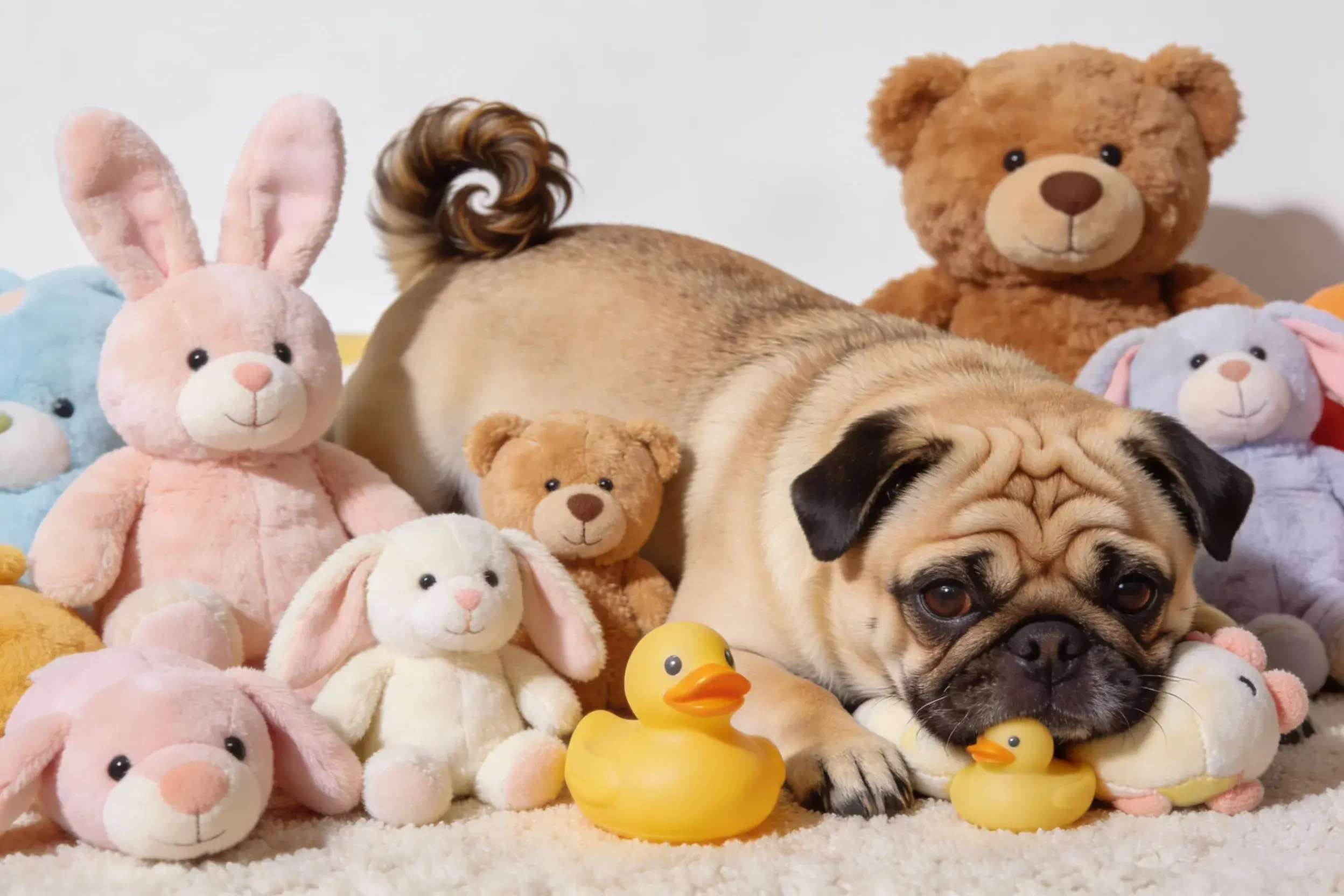
A pug named Daisy, age 5, was repeatedly ignoring every ball and rope toy her owner bought. She’d try to pick them up, but after a few seconds, she’d give up and lie down. After switching to a flat, lightweight plush toy with a squeaker, Daisy began carrying it everywhere. No more frustration, no more wasted money.
The lesson: The right toy doesn’t just entertain—it respects your pug’s anatomy and energy limits.
Summary: Pug Owners' Guide
When it comes to choosing toys for pugs and other brachycephalic breeds, it's more than just a matter of entertainment; it's about ensuring their well-being. Opt for plush or static chew toys that are light and easy for them to handle. Steer clear of anything heavy, hard, or designed for deep insertion. Always keep an eye on them while they play, switch up the toys to keep things interesting, and consider your pug's individual play preferences. By making smart choices, you can keep your pug content, secure, and happily occupied, without having to experiment.