

Balancing Fluffiness with Durability: The Ultimate Guide to Poofy Dog Toys
Dog owners want it all: a toy soft enough for endless cuddles, but tough enough to withstand a determined chewer. The hunt for the perfect poofy dog toys is real—and frustrating. Most plush options are shredded in days, while “tough” toys often sacrifice the enjoyable poof that dogs love. This guide is for anyone seeking a plush toy that doesn't fall apart at the first sign of rough play. Here’s what really separates the fluffy toy dog familiarly nyt from the ones that last.
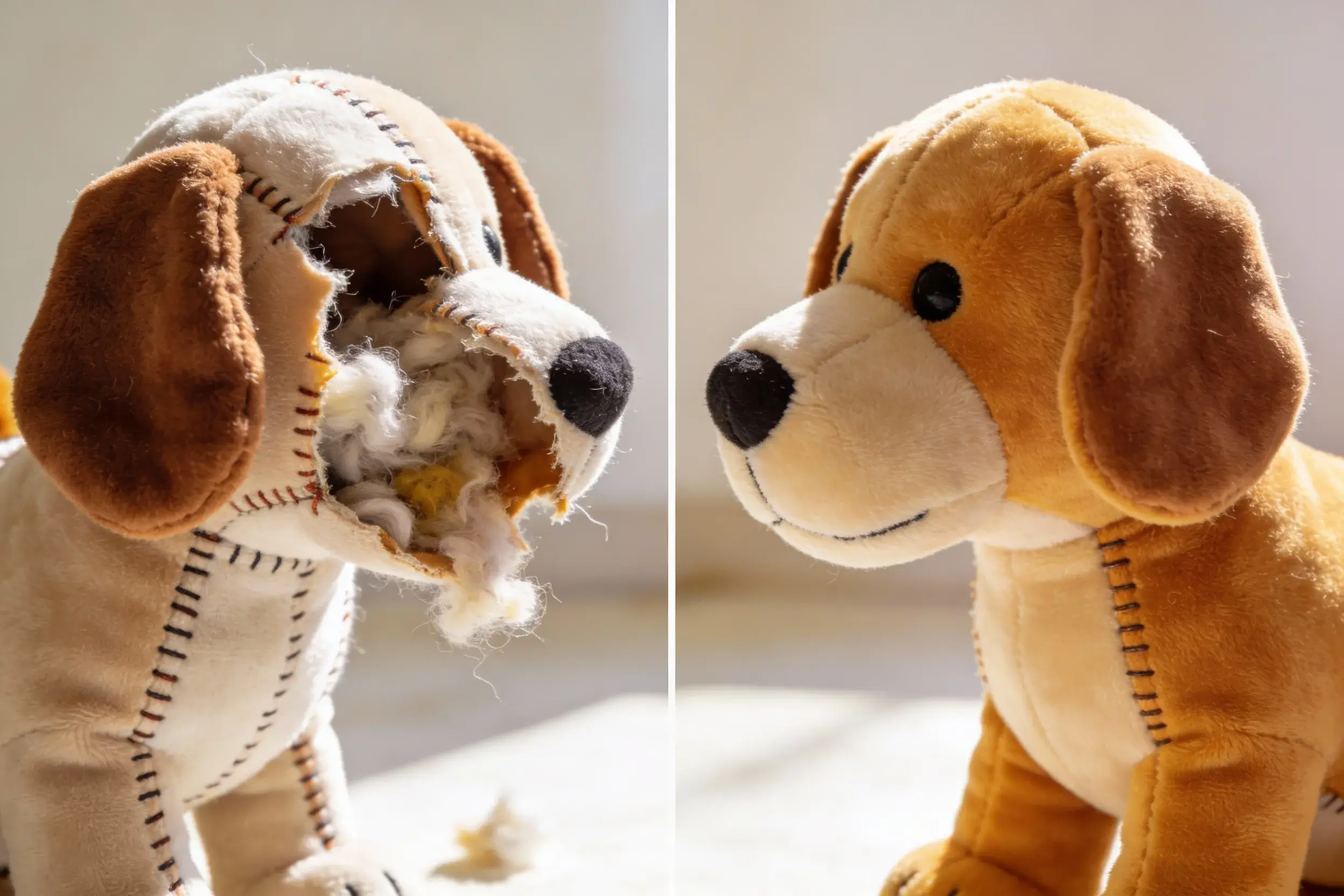
Why Fluffy Dog Toys Usually Fail
Let’s get straight to the pain point: standard fluffy toys just don’t hold up. The thicker the plush, the more enticing it is for most dogs—yet the fluffier the toy, the weaker the construction tends to be.
Take the classic scenario: you bring home a new poofy toy. Within an hour, stuffing is everywhere. Why does this happen?
- Single-layer plush fabric tears easily under sharp teeth.
- Basic stitching unravels with even moderate pulling.
- Squeakers and stuffing make toys more attractive to destroy.
This is not just frustrating—it can be dangerous. Dogs may ingest stuffing, and you’re left spending more money on replacements. The core problem: traditional plush design focuses on softness, not strength.
What Makes a Poofy Toy Durable? The Technology Behind Tough & Fluffy
Not all poofy dog toys are doomed to fail. Advances in material technology are changing the game, but only if you know what to look for.
Chew Guard Technology: More Than a Marketing Buzzword
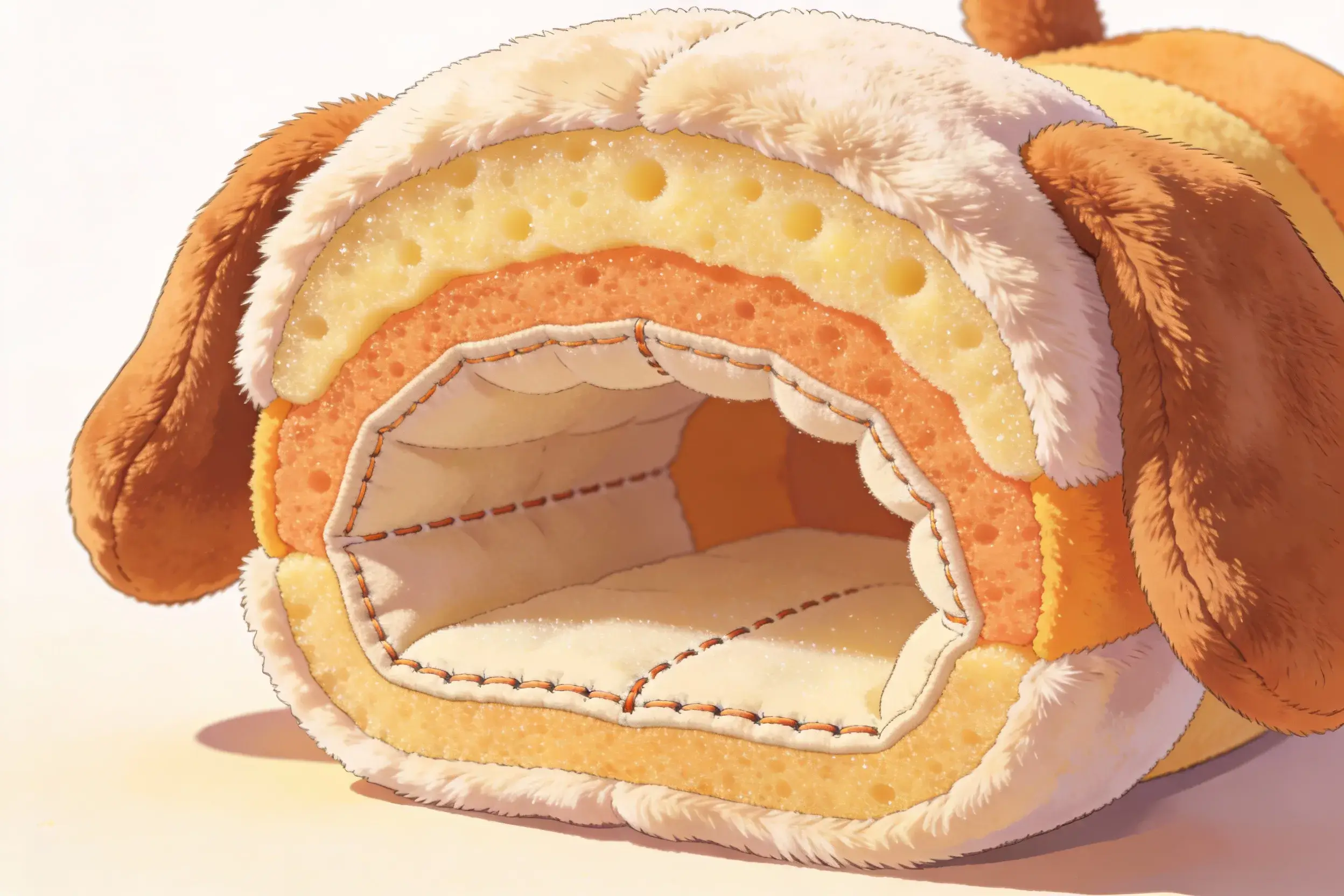
Some brands use “Chew Guard” linings—a tough, flexible mesh sewn beneath the outer plush. This hidden layer acts as armor, preventing teeth from puncturing the toy as easily. In practice, toys with this feature outlast standard plush by weeks or even months, especially for moderate chewers.
Why it matters: The extra layer doesn’t make the toy feel stiff. Dogs still get the fluffy texture, but with a barrier that buys you precious time.
Double-Stitching and Reinforced Seams
If you examine a high-quality plush toy, you’ll notice the seams are much thicker. Double or even triple stitching means the toy can endure more tugging and shaking before splitting open.
| Feature | Standard Plush Toy | Durable Plush Toy | Why It Matters |
|---|---|---|---|
| Outer Fabric | Single layer | Multi-layer | More resistance to tearing |
| Seam Construction | Single stitch | Double/triple | Prevents easy seam failures |
| Internal Reinforcement | None | Chew Guard mesh | Adds bite protection |
Tough Fabrics That Don’t Sacrifice Fluff
Some brands blend polyester fleece with ballistic nylon or dense microfiber. The trick is using a soft, fluffy outer pile over a tightly woven core. Dogs get the satisfying “squish,” but teeth don’t cut through as easily.
Key insight: If a toy feels limp or airy, it probably won’t last. A slightly denser, weightier plush is usually a sign of better construction.
What Most Owners Overlook: Matching Toy to Play Style
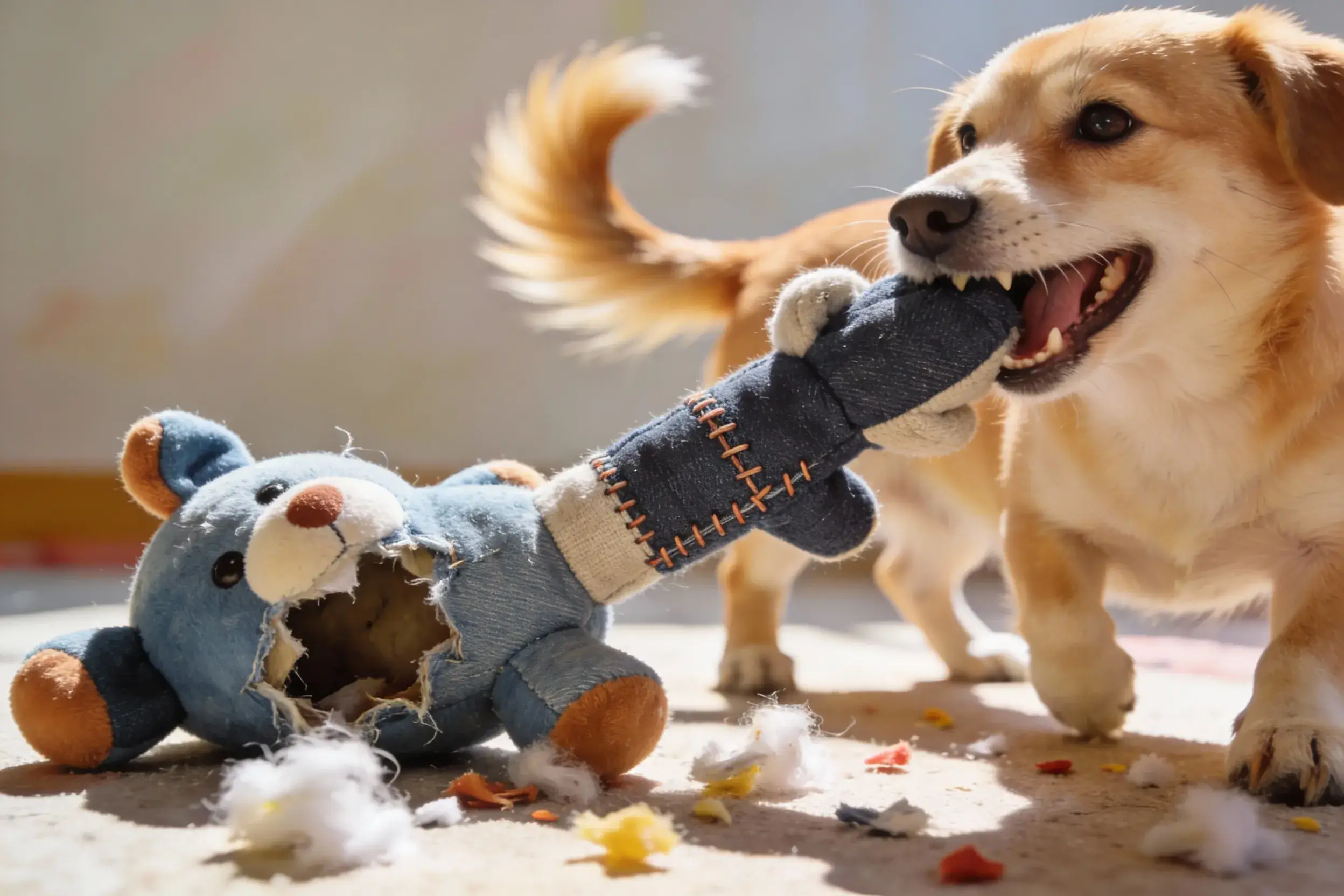
Here’s an uncomfortable truth: even the toughest plush won’t survive a power chewer. Owners often blame the toy, but the real issue is a mismatch between the toy’s design and the dog’s play style.
Common misconceptions:
- “If it says durable, my dog can’t destroy it.” (Not true for aggressive chewers.)
- “All fluffy toys are the same.” (They’re not—construction varies wildly.)
How to Choose: A Decision Framework
Assess your dog’s play style:
- Nibbler? Most poofy toys will last.
- Shaker/tugger? Prioritize reinforced seams and Chew Guard mesh.
- Shredder? Even the best plush won’t last—consider plush-lined rubber or rope hybrids.
Inspect before you buy:
- Check seams—are they thick and double-stitched?
- Is the toy weighty for its size? Light and floppy often equals weak.
- Look for claims about hidden linings or reinforced construction.
Supervise play at first:
- Watch how your dog interacts.
- Remove toys if stuffing starts to leak.
Most overlooked point: No plush toy is truly indestructible. Durability is always relative to your dog’s habits.
Case Example: The “Fluffy Toy Dog Familiarly NYT” vs. Tough Plush Alternatives
Let’s compare two real-world options:
| Toy Name | Fluffiness | Durability Features | Lifespan (typical) |
|---|---|---|---|
| Supermarket Poofy Duck | High | Single-stitch, no mesh | 1–2 days |
| Tough & Fluffy Bear | High | Chew Guard, double-seam | 2–4 weeks (moderate) |
A client of mine had a retriever who adored plushies, but every “cute” toy turned into a mess within hours. After switching to brands with Chew Guard mesh and reinforced seams, she reported the toys finally lasted long enough to justify the price—though she still rotated them regularly and supervised play.
Actionable Takeaways for Dog Owners
Fluffiness and durability aren't mutually exclusive, but achieving both requires careful material selection.
Don't be swayed by advertising alone; scrutinize seams, the fabric's heft, and any claims of reinforcement.
Select toys based on how your dog plays, rather than just how they look or feel.
Understand that no plush toy is indestructible; rotate toys and keep an eye on playtime to prevent accidents.
If you're fed up with the endless cycle of buying, destroying, and replacing, seek out plush toys that explicitly highlight their durability. This is the only way to enjoy the comfort of soft dog toys without the never-ending mess (and cost) that typically comes with them.