

Safe Pet Toys for Small Dogs: A Guide for Ultra-Mini Breeds
Finding pet toys for small dogs that are truly safe is not as easy as it sounds, especially when your dog weighs under 5 pounds. Many toys labeled as “small” are still too heavy, hard, or awkwardly shaped for teacup breeds. If you’re a pet owner worried about choking hazards, mouth injuries, or toys your dog simply ignores, this guide is for you.
This article helps owners of ultra-mini breeds choose, evaluate, and safely use toys designed for the smallest canine mouths—so playtime is safe and rewarding, not risky.
Why Ultra-Mini Breeds Require Specialized Toys
Most dog toys are built with the average small dog in mind, typically those weighing between 10 and 20 pounds. However, teacup breeds, such as Chihuahuas, Yorkshire Terriers, and Papillons, which weigh less than 5 pounds, encounter unique difficulties:
Their jaws are fragile, lacking the strength to handle certain toys. Their teeth are small and easily damaged. The risk of choking is heightened due to their petite throats. Heavy toys can be tiring, rather than enjoyable.
A chew toy that works well for a 10-pound Shih Tzu could be hazardous or simply impractical for a 3-pound Yorkie. The distinction is significant; it's the difference between providing stimulation and creating a potential danger.
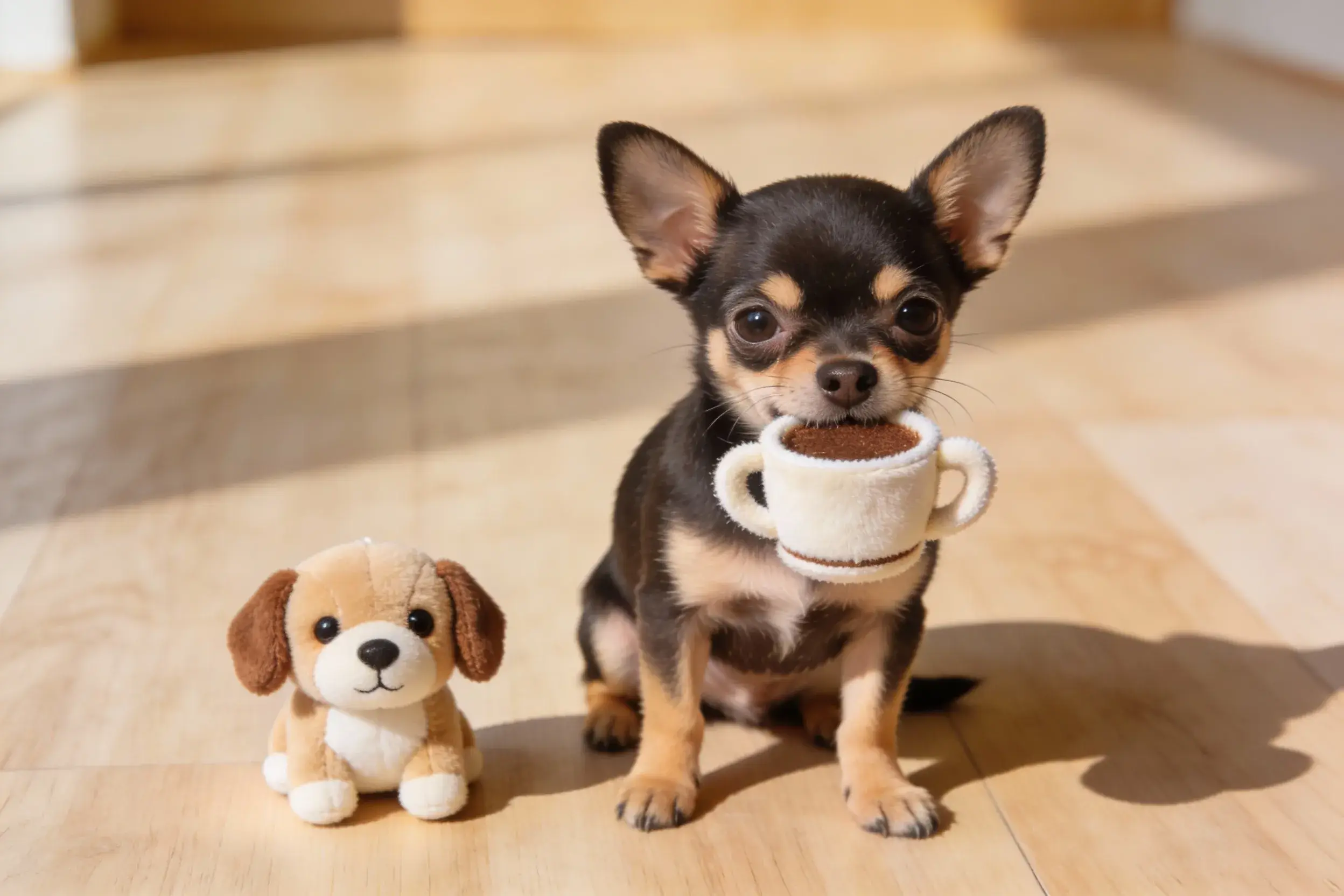
What Actually Makes a Toy Safe for Ultra-Mini Dogs?
It’s tempting to just buy the smallest toy on the pet store shelf. But “small” is not a guarantee of safety. Here’s what really matters:
1. Weight: Lightweight or Nothing
If a toy is too heavy, your dog can’t carry or shake it. Worse, a heavy chew can injure fragile teeth. Ultra-mini dogs should only play with toys that weigh less than 1.5 ounces (about the weight of a single slice of bread).
2. Material: Why Latex is the Top Choice
Latex stands out for teacup mouths because:
- It’s soft but resilient (won’t splinter or tear easily)
- Gentle on teeth and gums
- Usually non-toxic and easy to clean
Plastic and rubber toys often have seams or density that’s too tough for tiny jaws. Plush toys, while soft, can shed stuffing or threads that become choking hazards.
3. Size: Smaller Isn’t Always Safer
A toy too small can be swallowed whole. For dogs under 5 pounds, the ideal chew toy is longer than their muzzle but narrow enough to grip—typically 2.5 to 4 inches in length, and never less than 1 inch in diameter.
4. Texture: Soft, Flexible, No Sharp Edges
Look for toys that “give” a little when squeezed. Hard toys (even small ones) risk cracking delicate baby teeth. Any rough seam, button, or glued-on decoration is a hidden danger.
“Ultra-mini breeds need toys that are basically the plush equivalent of baby pacifiers: soft, light, and impossible to swallow.”
Comparing Toy Types: What Works, What Fails
Not all “chew toys for small dogs” are equal. Here’s how popular types stack up for ultra-mini breeds:
| Toy Type | Works For Teacups? | Why/Why Not |
|---|---|---|
| Latex Chew Toys | Yes | Soft, light, easy to grip, gentle on teeth |
| Plush Toys (No stuffing) | Sometimes | Only if seams are secure, size is right |
| Rope Toys | Rarely | Threads fray, choking risk, often too heavy |
| Rubber Balls | No | Too hard, too heavy, can’t grip |
| “Small” Dental Bones | No | Even “XS” often too dense and large |
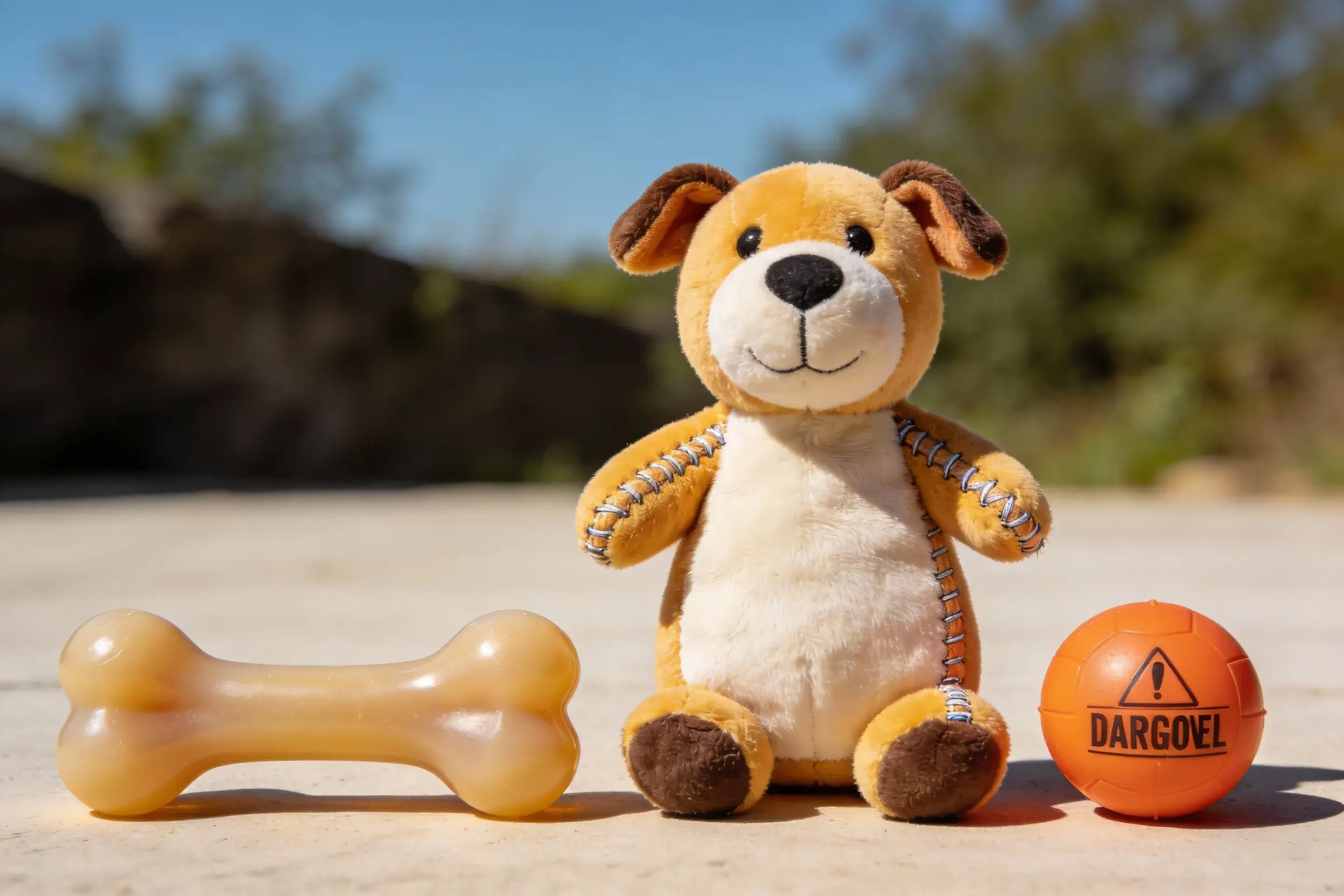
How to Decide if a Toy is Worth It
Don't just go by what the box says. Here's a quick guide to help you out:
- Feel the heft: If it seems lighter than a pack of playing cards, that's a good sign.
- Give it a squeeze: It should give way easily when you press it.
- Look for loose bits: Avoid toys with glued-on eyes, buttons, or squeakers unless they're completely sealed inside.
- Size matters: Hold the toy up to your dog's mouth. If it could fit all the way in, it's a no-go.
When shopping online, it's wise to seek out customer-uploaded images showcasing dogs of comparable size, or to directly request the seller's specifications regarding measurements and weight. Product descriptions alone are insufficient; the term "mini" is devoid of meaning without a frame of reference.
Real-World Example: The 2-Pound Chihuahua Toy Assessment
Take, for instance, Bella, a 2-pound Chihuahua, whose owner experimented with three different toy varieties:
- A "mini" tennis ball, which was too heavy and subsequently ignored
- A small rope toy, which Bella chewed apart, nearly causing choking
- A latex squeaky toy designed like a pig, which was lightweight, soft, and immediately favored
Bella's owner discovered through experience that latex toys, which lacked any detachable components, were the sole option that successfully balanced safe chewing with genuine engagement.
What Most Owners Miss: Softness Isn’t Optional—It’s Essential
Many people think any “small” toy is safe for ultra-mini breeds. This is a misconception. Hard toys can damage teeth or be impossible to grip. Plush toys can be hazardous if seams rip or stuffing escapes—especially for determined chewers.
The priority should always be:
- Softness
- Lightweight construction
- No detachable or swallowable parts
If a toy is so hard you wouldn’t press it against your eyelid, it’s too hard for a 3-pound dog’s teeth.
Interactive Small Dog Toys: Are They Worth It?
There’s growing interest in interactive small dog toys—puzzles, treat-dispensing balls, and mini activity mats. For teacups, most of these are too bulky or complex. However, there are a few that work, if you watch for:
- Fabric-based mats with sewn-in pockets (no loose parts)
- Extra-mini treat dispensers under 2 inches, made of flexible latex
Avoid anything with batteries, hard plastic, or hidden compartments that could trap tiny jaws or paws.
Actionable Takeaways: Choosing and Using Toys for Ultra-Mini Breeds
Always look for toys that weigh less than 1.5 ounces, are made of soft latex, and are built to last.
Steer clear of toys that are hard, heavy, or have parts that can come off, no matter what the packaging says.
Before letting your dog play with a new toy, watch them closely. If you see any signs of damage, like fraying seams or if your dog loses interest, take the toy away.
To keep your dog engaged and to make toys last longer, consider switching them out regularly.
For ultra-mini breeds, playtime is about more than just having fun; it's about keeping their tiny teeth and delicate jaws safe, ensuring every play session is a safe one. Selecting the right pet toys for small dogs requires more than just grabbing the smallest option; it demands careful consideration of your dog's specific needs.