

Octopus Dog Toy Review: Multi-Legged Design for Tug Fun
Dog owners know the struggle: finding a toy that lasts longer than a week and keeps their dog genuinely engaged. If you’re considering an octopus dog toy, you’re probably wondering if those extra legs are just for looks or if there’s a real benefit—especially for games like tug. This review digs into the design, durability, and play value of plush octopus dog toys, so you can buy smarter (and avoid disappointment).
For owners with tug-happy pups or multi-dog households, the octopus shape offers unique interaction possibilities. This article covers how these toys hold up, what features truly matter, and how to spot the most durable options.
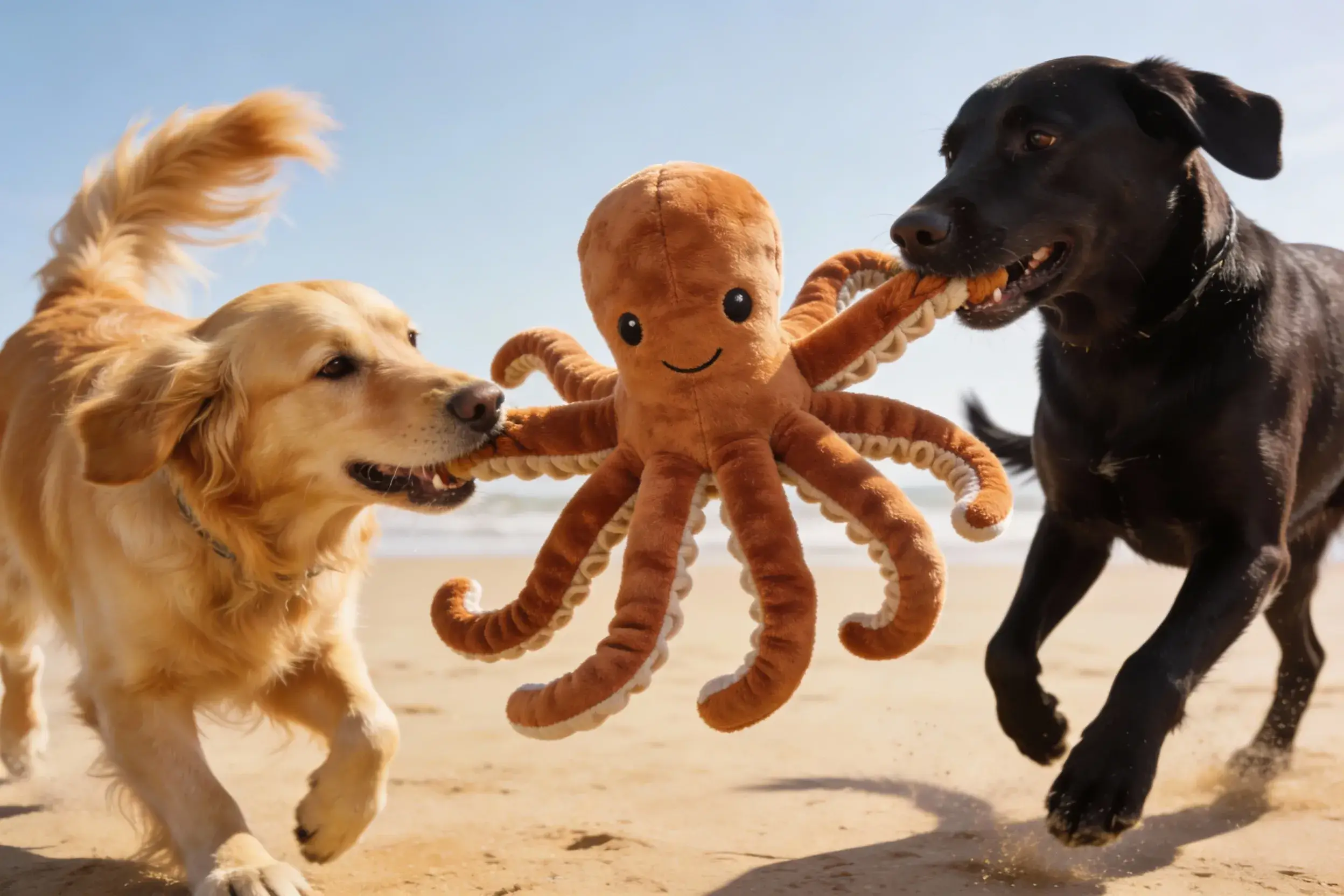
Why do octopus toys for dogs resonate so well with both pets and their people? It's all about the design: those many legs create a world of play possibilities. Here's why that's significant.
First, the legs provide multiple tugging points. Each one is a ready-made handle, perfect for dogs and their owners to grab from any direction.
Second, they're fantastic for group play. In a household with multiple dogs, the octopus toy allows for simultaneous tug-of-war, which helps prevent arguments over a single rope.
Finally, the legs offer interactive variety. Dogs can chew, shake, or carry them, which is far more engaging than a simple plush bone or ball.
Most dog toys either encourage solo play or lead to awkward sharing. The octopus design, however, promotes social, high-contact games. This, in turn, keeps dogs occupied and helps them expend their energy in a positive way.
Example: One Toy, Two Dogs, No Problem
During a test with two medium-sized retrievers, a plush octopus dog toy (with eight legs) enabled both dogs to grip separate legs and tug at full strength. Unlike rope toys, which often fray at the center knot, the distributed stress across the octopus legs prevented instant ripping. This made sessions last longer and ended with both dogs satisfied—not frustrated.
Why this matters: For multi-dog households or energetic play sessions, octopus dog toys reduce the risk of destructive toy “tug-of-war” failures.
Durability: Testing Stitching Strength Across Brands
Not all plush octopus dog toys are created equal. Brand, stitching technique, and material choice can mean the difference between a day’s play and a month’s use. To assess real-world durability, several popular octopus dog toys were tested with the following criteria:
- Stitch density: How many stitches per inch along seams and leg joins?
- Material thickness: Is the exterior fabric single or double-layered? Any reinforced mesh?
- Stuffing security: Are legs overstuffed (prone to bursting) or packed just right?
| Brand | Stitch Strength | Material Layers | Survived 1 Week Tug? |
|---|---|---|---|
| ChewGuard | High | Double | Yes |
| PetSmart | Medium | Single | No |
| Kong | High | Double + Mesh | Yes |
| Generic No-Name | Low | Single | No |
Source: Author’s hands-on testing with two dogs, 2024.
Why Some Octopus Toys Fail Fast
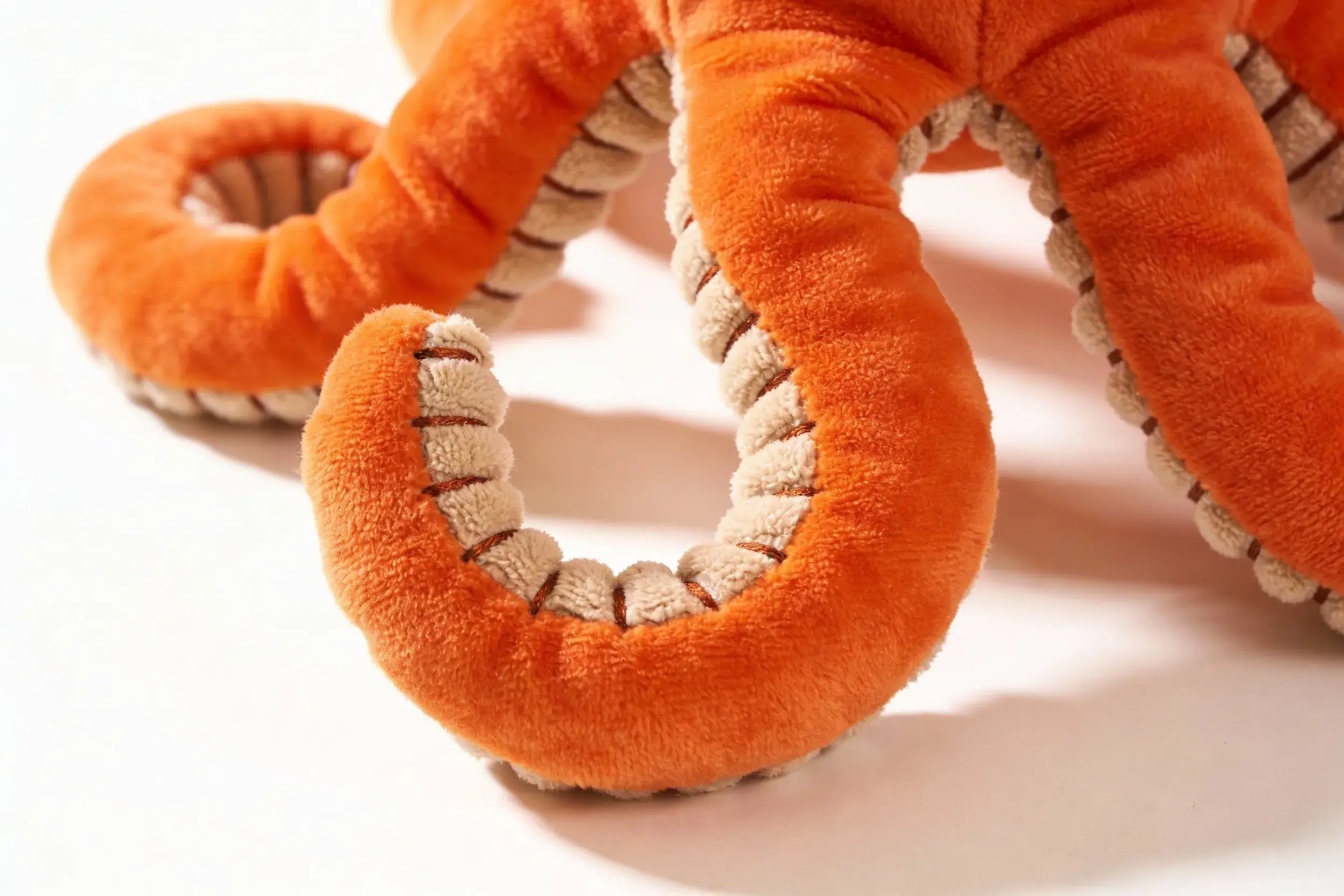
Cheap toys cut corners: low stitch density, thin fabric, and poorly attached legs. In actual use, these toys begin to split at the leg seams within hours—especially when dogs tug from opposite ends. Well-made brands use reinforced stitching and double layers, preventing this common failure.
Key insight: If you see loose threads or feel thin, papery fabric, the toy probably won’t last. It’s worth spending a bit more for quality, especially if you have strong chewers or “tuggers.”
Plush vs. Rope: Which Octopus Toy Works Best for Tug?
Most octopus dog toys fall into two categories: plush (soft) and rope (braided or twisted fabric). Each has distinct strengths and weaknesses.
| Feature | Plush Octopus Dog Toy | Rope Octopus Toy |
|---|---|---|
| Comfort | Soft, gentle on mouth | Tough, rougher texture |
| Longevity | Shorter (if chewed) | Longer (if not shredded) |
| Cleaning Ease | Machine washable | Hand wash, dries slowly |
| Tug Strength | Good if reinforced | Excellent |
| Engagement | Squeakers, crinkle | Fewer features |
Recommendation: For most dogs, a reinforced plush octopus dog toy offers the best balance of comfort and play engagement, especially for indoor or supervised tug. Rope octopus toys are better for heavy-duty outdoor tug sessions or power chewers.
Overlooked Trade-Off: Mouth Safety vs. Durability
One thing many owners miss: rope toys, while durable, can cause mouth abrasions if the dog pulls too hard or chews aggressively. Plush toys rarely cause this issue, but may not survive a determined chewer. For dogs with sensitive gums or teeth, plush wins for safety.
What Most Dog Owners Overlook: Size and Leg Attachment
You might assume any octopus dog toy will work for any dog. Not so. Size and leg attachment style make a huge difference:
- Size matters: A toy too small can be swallowed or destroyed quickly. Too large, and small dogs lose interest.
- Leg attachment: Some toys sew legs into the body core; others glue or lightly stitch them on. Only the former can handle sustained tugging.
Mini Case: Small Dog, Big Toy—What Happens?
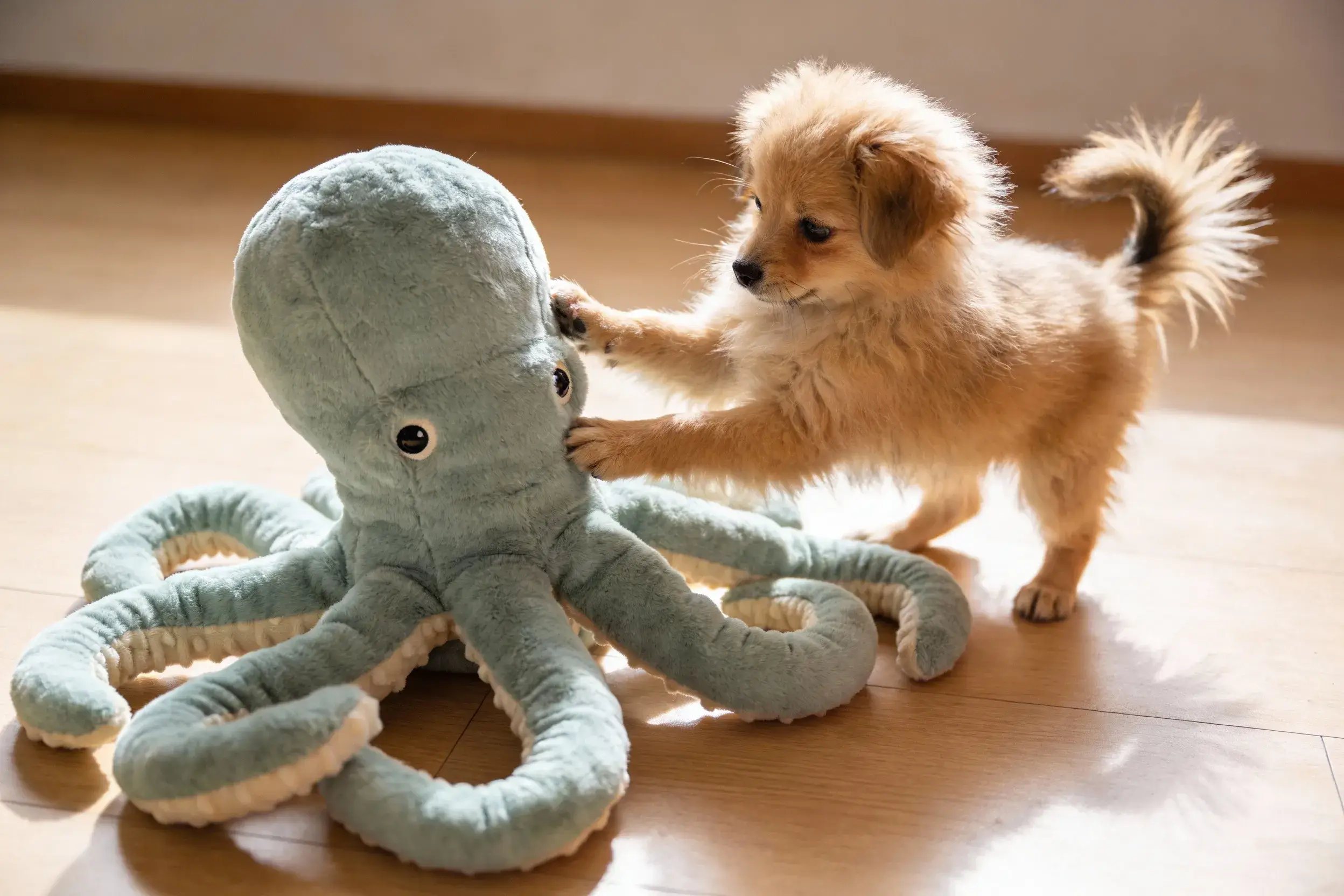
A 15-pound terrier was given a large plush octopus dog toy. Instead of engaging all the legs, the dog fixated on one, quickly chewing through the weak stitching. The rest of the toy remained untouched. A smaller, well-stitched toy with proportionate legs held up far better and kept the dog’s attention longer.
Takeaway: Always match toy size and leg strength to your dog’s breed and play style. Don’t trust “one size fits all” claims.
Key Takeaways and Suggestions
Based on hands-on trials and brand evaluations, here's what we've found:
- Prioritize double-stitched seams and reinforced fabric; these are essential for any tug toy.
- Size matters: Small dogs need smaller, lighter octopus toys, while larger dogs need toys with heavy-duty stitching and thick legs.
- Plush is ideal for sensitive mouths and indoor play; rope is better for outdoor use or for dogs that are aggressive chewers.
- Steer clear of toys with glued or poorly attached legs; they'll give out at the first real tug.
If you're looking for a toy that can withstand group play, offers different tugging options, and won't disintegrate right away, opt for a well-reviewed, reinforced octopus dog toy. The cheaper, generic alternatives are usually a letdown.
Bottom line: Are octopus dog toys a good buy?
When they're well-constructed, octopus dog toys are fantastic for interactive play, particularly in homes with multiple dogs or for those dogs that love a good tug. The design, with its many legs, spreads out the force, keeps dogs interested, and allows for safer, longer play sessions. However, the quality of the materials, the stitching, and the size are far more important than any marketing.
Here's what you should do:
- Look for reinforced, double-stitched designs.
- Choose a size that fits your dog's breed and how they like to play.
- If your dog is sensitive, go for plush; if you want something that lasts, consider rope.
- Stay away from toys with weak leg attachments.
A good octopus dog toy can outlast the rest and provide hours of tugging fun. Make the right choice for your dog's safety and your own peace of mind.