

Are Leather Dog Toys the New Durable Choice?
Finding a truly tough dog toy is a universal struggle for pet owners with relentless chewers. Plastic shreds, rubber splits—yet another wasted purchase. Recently, leather dog toys have started showing up as an alternative for those seeking durability and natural materials. But are they genuinely a better choice, or just a niche trend? This article examines the safety, practicality, and appeal of leather dog toys so you can decide if they’re right for your dog.
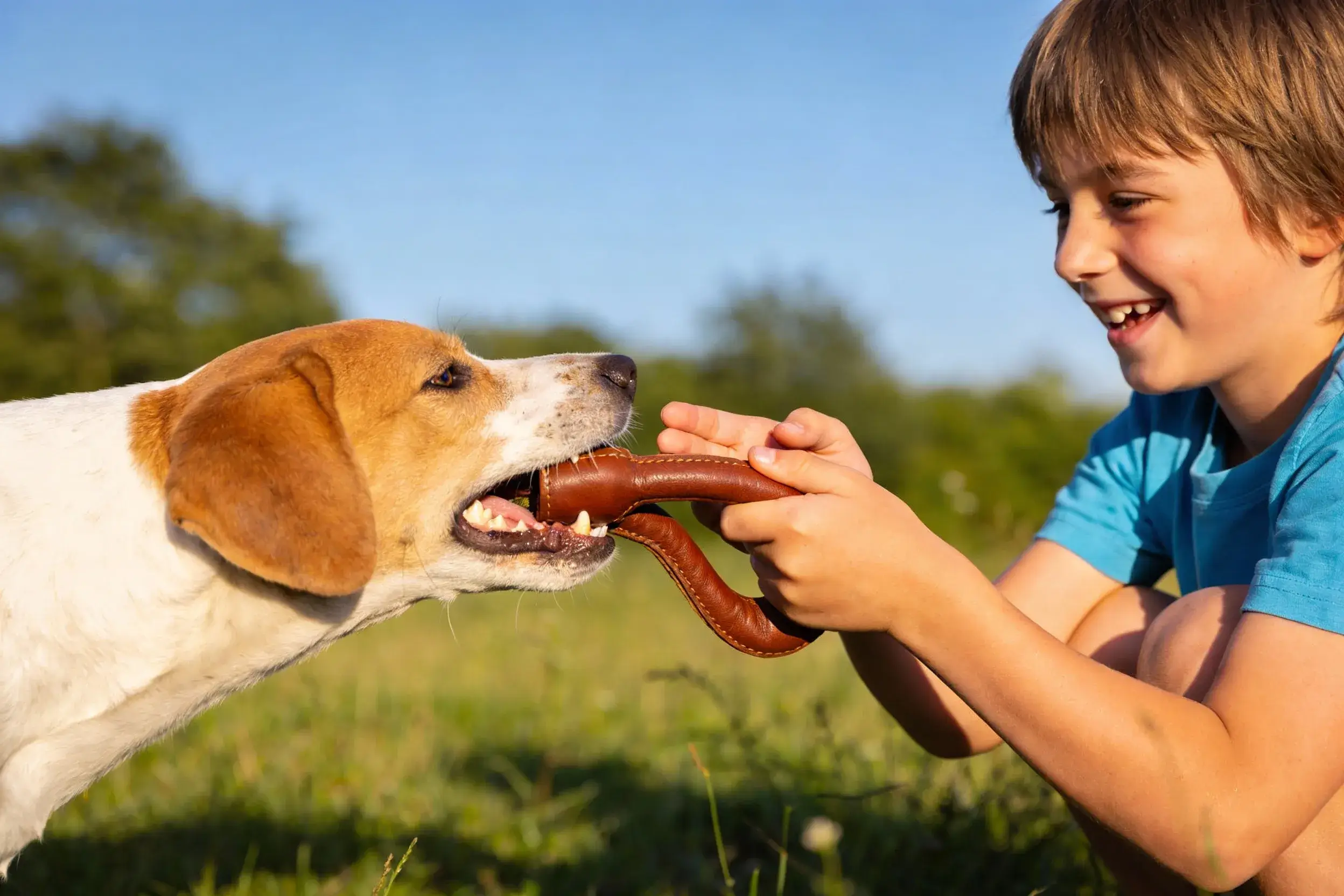
Why Consider Leather Dog Toys? Comparing Materials
Most dog toys today are made from synthetic rubber, nylon, or plush. These materials can last, but they’re not always safe or eco-friendly. Leather stands out for three reasons:
- Natural Composition: Leather, especially vegetable-tanned, contains no synthetic dyes or plastics.
- Toughness: Properly made, leather resists tearing and can handle regular chewing—though not all-out destruction.
- Scent Appeal: Many dogs are drawn to the natural, animal-based scent of leather, which synthetic toys can’t match.
Let’s contrast this with the common options:
| Material | Durability | Safety (if swallowed) | Environmental Impact |
|---|---|---|---|
| Rubber/Nylon | High (for some) | Risky | Non-biodegradable |
| Plush/Fabric | Low | Risky | Moderate |
| Rope | Moderate | Risky (if ingested) | Biodegradable |
| Leather | Moderate-High | Safer (natural) | Biodegradable |
Most pet owners want a toy that won’t harm their dog (or the planet) if it’s eventually destroyed. Leather hits that intersection better than most.
The Truth About Leather Safety: Not All Leather is Created Equal
Here’s where things get technical—and important. Not every leather dog toy is equally safe.
- Vegetable-Tanned Leather: Uses plant-based tannins (like oak or chestnut) and typically avoids harsh chemicals. This is what you want for dog toys. If a label doesn’t specify “vegetable-tanned,” be skeptical.
- Chrome-Tanned Leather: Most commercial leather (think jackets and couches) is tanned with chromium salts. These chemicals can leach out, especially if chewed or wetted, and are not meant for ingestion.
If you value safety, ask these questions before buying:
- Is the leather vegetable-tanned?
- Are any dyes or finishes used? (Natural, undyed is best)
- What threads or fasteners are used? (Some contain glues or synthetics)
Cheap, mass-produced leather dog toys can cut corners. A quality toy will advertise its tanning process and materials openly.
“If you wouldn’t want your dog to eat a shoe, don’t give them a toy made from similar leather.”
Best for Chewers Who Don’t Swallow: Know Your Dog
Leather chew toys for dogs shine for pets who love to gnaw, tug, and carry—but not devour. Here’s where many owners get it wrong.
Scenario: The Power Chewer
Imagine a 60-pound lab who shreds everything. A leather bone might last a day, but eventually, pieces will come off. If your dog eats those pieces, even vegetable-tanned leather can cause stomach upset or blockages. In this case, a tougher, non-edible toy (like heavy-duty rubber) is safer.
Scenario: The Gentle Nibbler
For smaller dogs, or those who mouth and chew but don’t swallow, leather can last for months. These dogs get the sensory satisfaction of a natural material without the risk of ingesting large chunks.
What Most Owners Overlook
Many believe “natural” equals “edible.” This is a mistake. Leather is digestible only in tiny amounts, if at all. The trade-off: You get a safer, more biodegradable toy, but only if your dog knows when to stop.
The Natural Scent Appeal: Why Dogs Love Leather
Dogs experience the world through scent. Leather retains its animal origins—unlike plastic or nylon. This matters for two reasons:
- Instinctive Attraction: The subtle, earthy smell of leather taps into canine prey instincts (without the mess of real animal parts).
- Longer Engagement: Some owners report their dogs spend more time on leather toys, sniffing and chewing, compared to synthetic options.
This isn’t just anecdotal. Studies on canine enrichment show that novel, animal-based scents increase engagement and reduce boredom. For dogs who ignore plastic toys, leather may be a breakthrough.
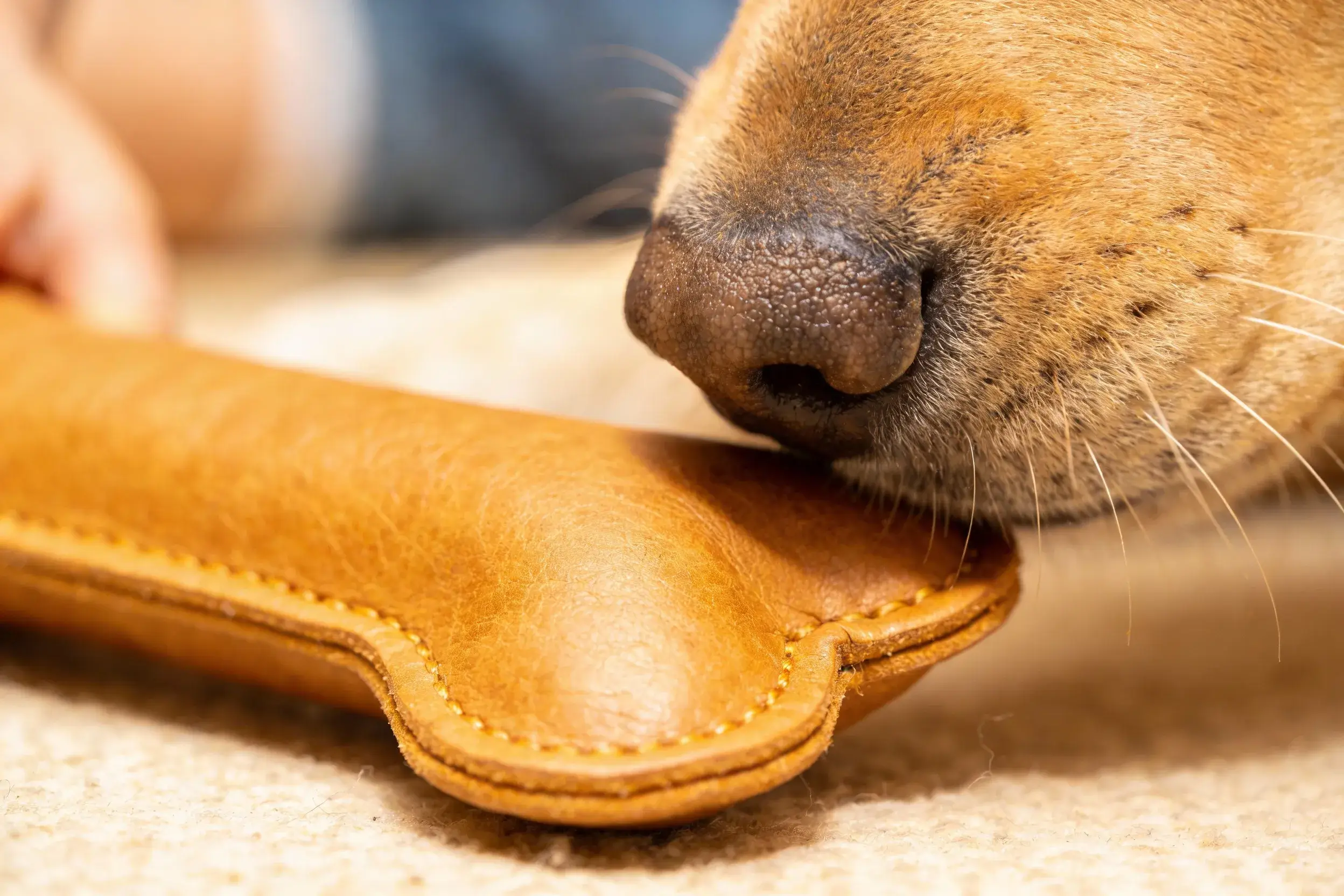
How to Choose (and Use) a Leather Dog Toy
If you’re ready to try leather, here’s a quick decision checklist:
- Check the Tanning Process: Only buy vegetable-tanned, chemical-free leather.
- Inspect Construction: Look for sturdy stitching, no loose threads, and minimal fasteners.
- Size Matters: Get a toy larger than your dog’s mouth to reduce swallowing risk.
- Supervise Play: Especially at first, watch for tearing or ingestion.
- Know When to Replace: If the toy frays or chunks come off, retire it.
If you can’t find clear answers on a product’s tanning or construction, skip it. The risk isn’t worth it.
When Leather Dog Toys Fail (and When They Win)
No material is perfect. Leather dog toys are not indestructible; they’re best suited to moderate chewers and those who appreciate natural dog toys over synthetic ones. Here’s what works:
- Dogs who like to chew, tug, and carry (but not eat)
- Owners who prioritize eco-friendly, chemical-free toys
- Households looking to avoid plastic and synthetic materials
Where leather fails:
- Aggressive chewers who eat everything in sight
- Dogs with allergies to animal proteins
- Owners unwilling to pay for high-quality, ethically sourced products
Actionable Takeaways
Leather dog toys strike a balance between lasting power and natural safety, provided you select those that are vegetable-tanned and free from harmful chemicals.
These toys are well-suited for dogs that chew moderately and don't tend to ingest chunks, as well as for pet owners who value eco-conscious, minimally processed materials.
Always keep an eye on your dog's playtime, check the toys frequently, and toss them at the first hint of wear and tear.
Don't be swayed by marketing hype; insist on clear details about the tanning process and how the toys are made.
While leather isn't a cure-all, it can be a sensible, natural choice for the right dog, offering an alternative to the typical assortment of chewed-up plastic and stuffing.