

2025 Ultimate Guide to Safe Toys for Small Dogs
Selecting the best dog toys for small dogs goes beyond simply downsizing the options available for larger breeds. Small dogs, particularly Chihuahuas and Poodles, encounter specific hazards and requirements during play. This guide is designed for those who seek more than just aesthetically pleasing toys; you want toys that are appropriately sized, stimulating, and beneficial to your dog's well-being.
Summary: This guide delves into how jaw size, bite strength, and toy construction influence safety and enjoyment for small breeds, and then offers guidance on selecting the most secure and captivating toys for small dogs.
Why Small Dogs Require Specialized Toys
Many people mistakenly believe a "small dog toy" is simply a scaled-down version of a toy meant for a larger dog. This assumption can result in injuries, disappointment, and unnecessary expenses. Here's why:
Jaw structure varies significantly among small dog breeds. Chihuahuas, for instance, possess slender, fragile jaws and a reduced number of teeth. Poodles, despite their slender muzzles, have surprisingly potent bites relative to their size.
Bite force, though not as formidable as that of larger breeds, can still be quite sharp and concentrated in some small dogs. Toys designed for larger dogs might be excessively tough, potentially leading to jaw strain or even chipped teeth.
Airway risk is another consideration. Toys that are too small present a choking hazard, while those that are too large can be difficult for a dog to grip or carry.
These factors necessitate that owners consider more than just the toy's size. The wrong choice could result in jaw fatigue, dental problems, or even a serious emergency.
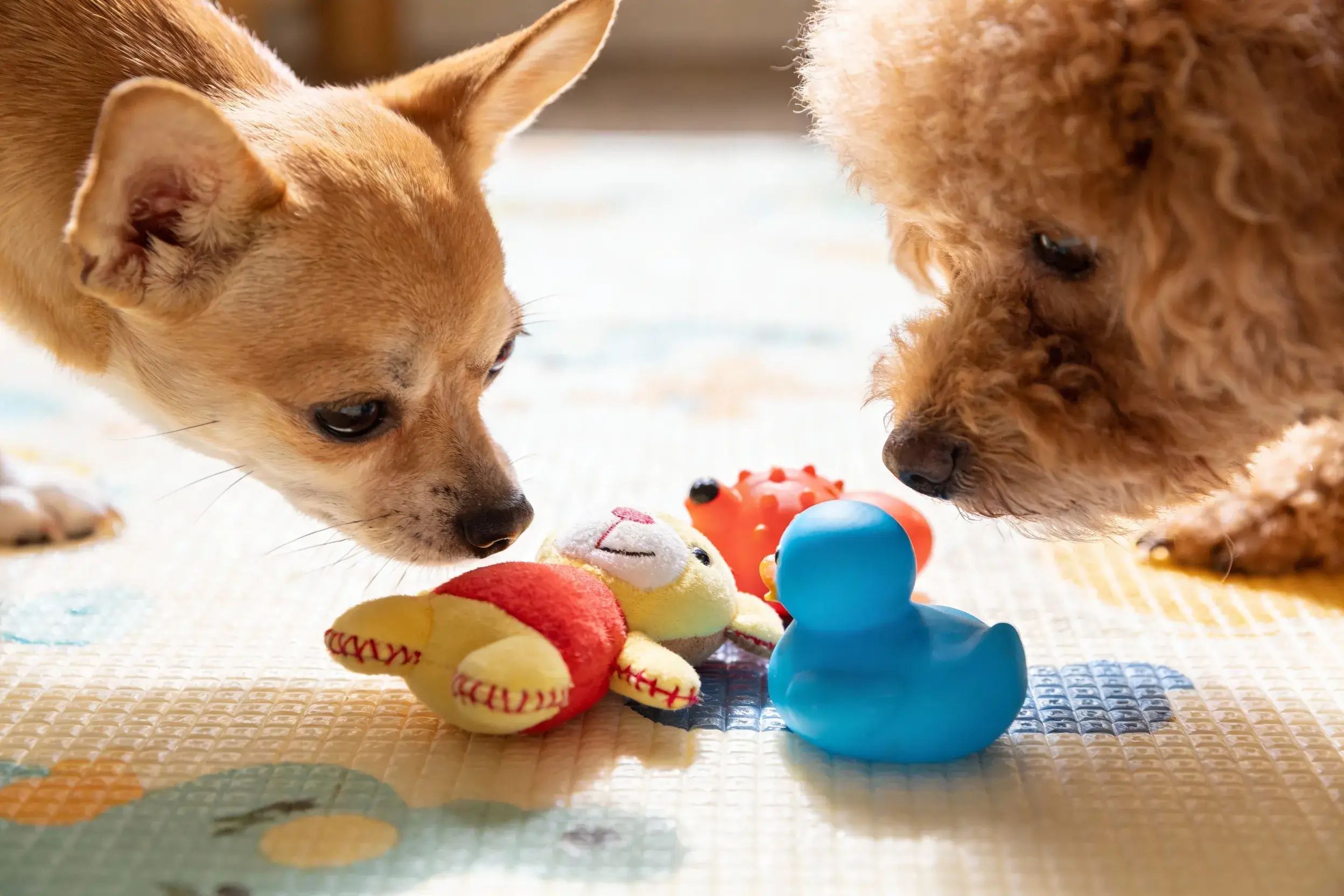
What most people miss when shopping for toys for their small dogs is that the first things they notice – cuteness, the sound it makes, and the price – are often distractions. Here's what you should really be paying attention to:
- Girth, not just length: A ball that's too wide can strain a small dog's jaw. A bone with thick ends might be impossible for a Chihuahua to hold onto.
- Texture: Hard plastics might seem "durable," but they're tough on small mouths. Choose softer, more compressible materials.
- Weight: Some "heavy-duty" toys are simply too heavy for small breeds to play with, turning fun into a chore.
Another thing to consider: many small dogs have a "soft mouth." They prefer gentle chewing and light tugs, not aggressive gnawing. If you ignore this, you risk boredom and damaged teeth.
Size, Jaw Structure, and Bite Force: What It Means for Toy Choice
Let’s compare the two most common small breeds:
| Breed | Jaw Structure | Typical Bite Force | Toy Preference |
|---|---|---|---|
| Chihuahua | Narrow, shallow | Gentle but quick | Lightweight, small |
| Poodle | Slender, long snout | Moderate, focused | Flexible, puzzle-based |
A Chihuahua’s jaw can’t open wide—so even “small” tennis balls may be a poor fit. Poodles, especially miniatures, enjoy using their brains and mouths in tandem. Toys that are too simple or too hard frustrate them.
Practical example:
A client once bought a “mini” rope for her 5-lb Chihuahua. The knots were so thick that her dog couldn’t get a grip. The toy went untouched, and the dog returned to chewing furniture legs.
What works:
- Toys that compress easily when bitten
- Puzzle toys with shallow wells and small treat compartments
- Balls and plushies no wider than 2 inches for Chihuahuas; up to 2.5 inches for mini Poodles
What fails:
- Toys labeled “indestructible” (often too hard or heavy)
- Toys with tiny removable parts (choking hazard)
- Large squeakers that require a big jaw squeeze
Squeaky, Plush, and Puzzle Toys: Which Are Safest and Most Engaging?
Let’s break down the main categories:
Squeaky Toys
Pros:
- Irresistible to most small dogs
- Lightweight and easy to carry
Cons:
- Cheap versions split easily, exposing squeaker (major choking risk)
- Oversized squeakers require strong jaws
Judgment:
Choose squeaky toys with double stitching and hidden, small squeakers. Always supervise play.
Plush Toys
Pros:
- Soft, gentle on teeth and gums
- Easy to grip and shake
Cons:
- Tearable; stuffing can be ingested
- Not for aggressive chewers
Judgment:
Plush toys are ideal for “soft-mouthed” dogs like Chihuahuas. For Poodles, pick versions with crinkly fillings or multiple textures to maintain interest.
Puzzle Toys
Pros:
- Mental stimulation (especially for Poodles)
- Slows down treat consumption
Cons:
- Some “advanced” puzzles are too deep or complicated for small mouths
- Removable parts = choking risk
Judgment:
Look for puzzles designed for small breeds: shallow treat wells, lightweight construction, no loose pieces.
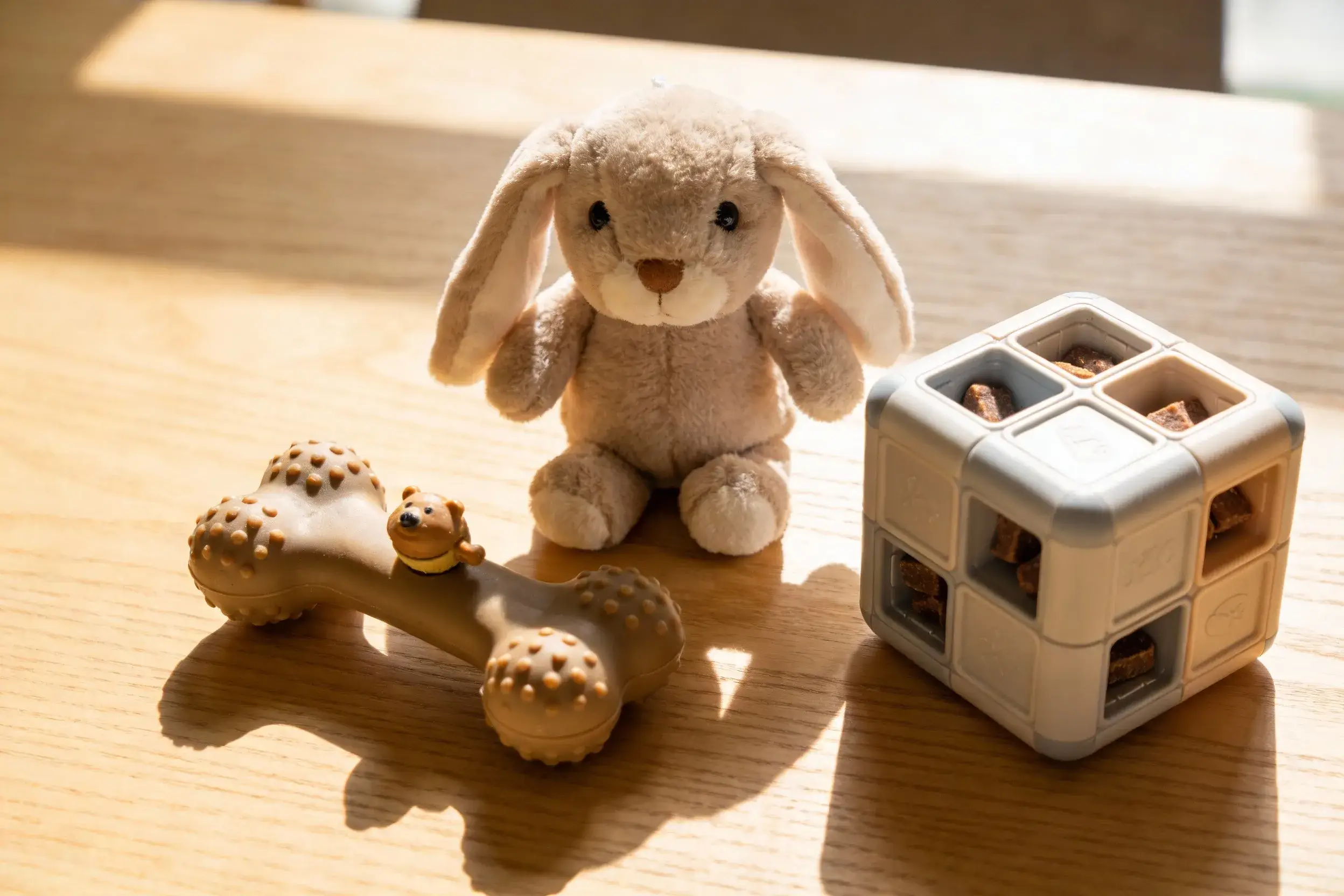
Decision Framework: How to Choose the Right Toy for Your Small Dog
To avoid common mistakes, use this process:
- Measure your dog’s mouth: Maximum comfortable jaw width = ideal toy width.
- Check material give: Squeeze the toy. Does it compress with light pressure?
- Test weight: If your dog can’t pick it up easily, it’s too heavy.
- Examine construction: Look for reinforced seams and securely embedded squeakers.
- Observe play style: Does your dog like to fetch, tug, or solve puzzles? Choose accordingly.
If in doubt, start with plush or soft squeaky toys and observe. Upgrade to puzzles as your dog gains confidence.
Common Failure Cases and How to Avoid Them
- Choking on small balls: Tennis balls under 2 inches are easily lodged in the throat. Always size up if unsure.
- Jaw fatigue from tug toys: Thick ropes or rubber rings may look fun but tire out small jaws quickly. Choose thin-braided ropes or elastic bands.
- Boredom from “ultra-tough” toys: If your dog ignores the toy, it’s likely too hard or uninteresting. Rotate in different textures and types to maintain engagement.
Key insight:
Don’t trust “small breed” labels blindly. Always check actual dimensions and construction quality.
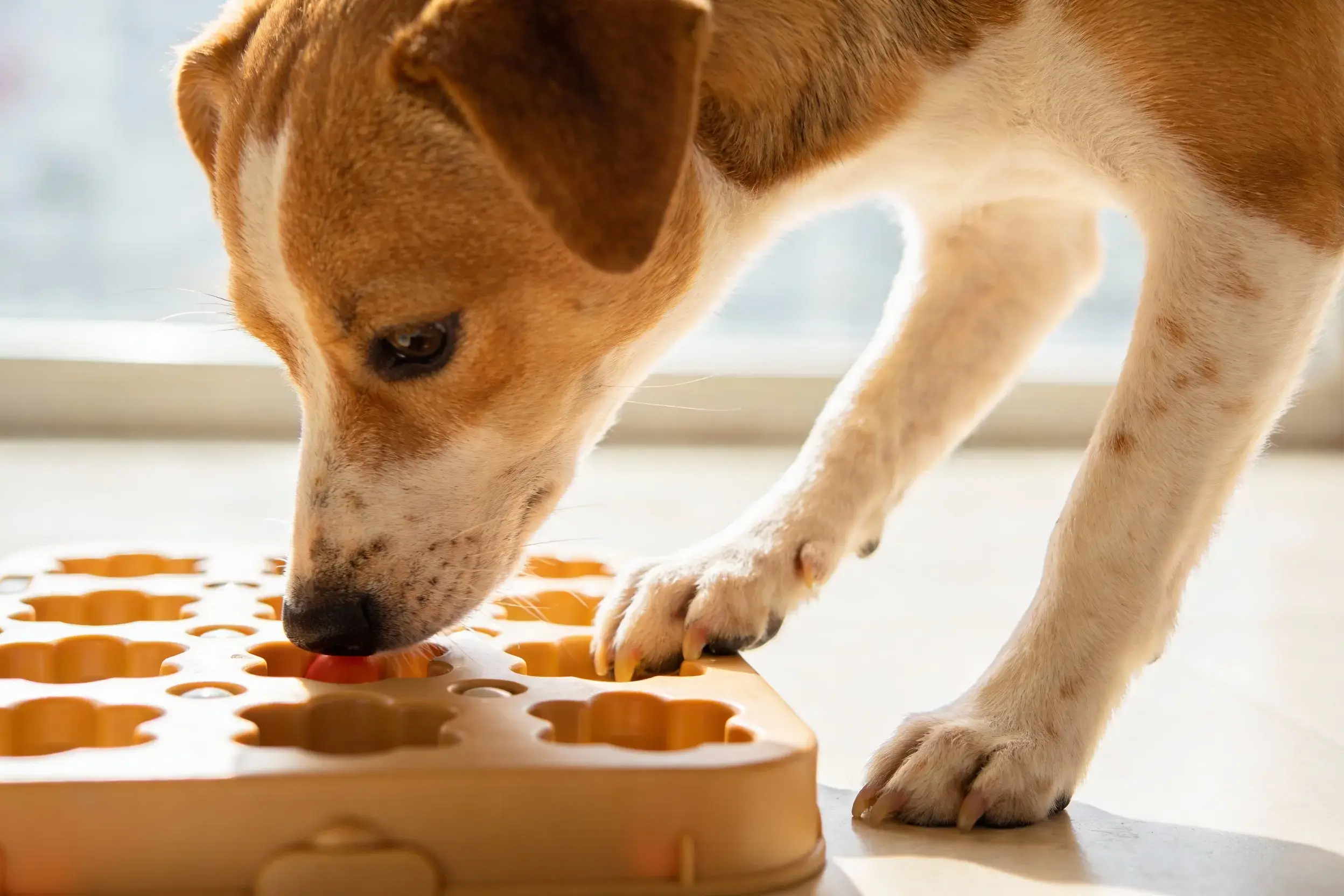
Actionable Takeaways
When selecting toys for small dogs, focus on how well they fit, the materials used, and their weight, rather than getting swayed by marketing hype.
Squeaky and plush toys are generally a hit with dogs that aren't aggressive chewers. For breeds that need a mental workout, like Poodles, puzzle toys with small, shallow compartments are a good choice.
Always keep an eye on your dog while they're playing, particularly with new toys or those that make noise.
Steer clear of toys marketed as "indestructible" for small breeds; these can lead to jaw problems or simply be ignored.
If you're unsure, it's always a good idea to ask your veterinarian or a canine behaviorist for advice tailored to your dog's breed.