

Nylon vs. Rubber Dog Bone Toys: A Safety Comparison
Selecting the ideal dog bone toy goes beyond simple amusement; it's a matter of your dog's well-being and future health. If you're a dog owner concerned about broken teeth, the potential for choking, or the frustration of buying toys that quickly fall apart, the choice between nylon and rubber bone toys is a significant one. This piece examines the pros and cons of natural, nylon, and rubber options, aiming to help you find the safest chew for your dog's specific requirements.
In short: This article helps dog owners understand the safety differences between natural, nylon, and rubber dog bone toys, offering clear advice based on dental health and the strength of your dog's chewing.
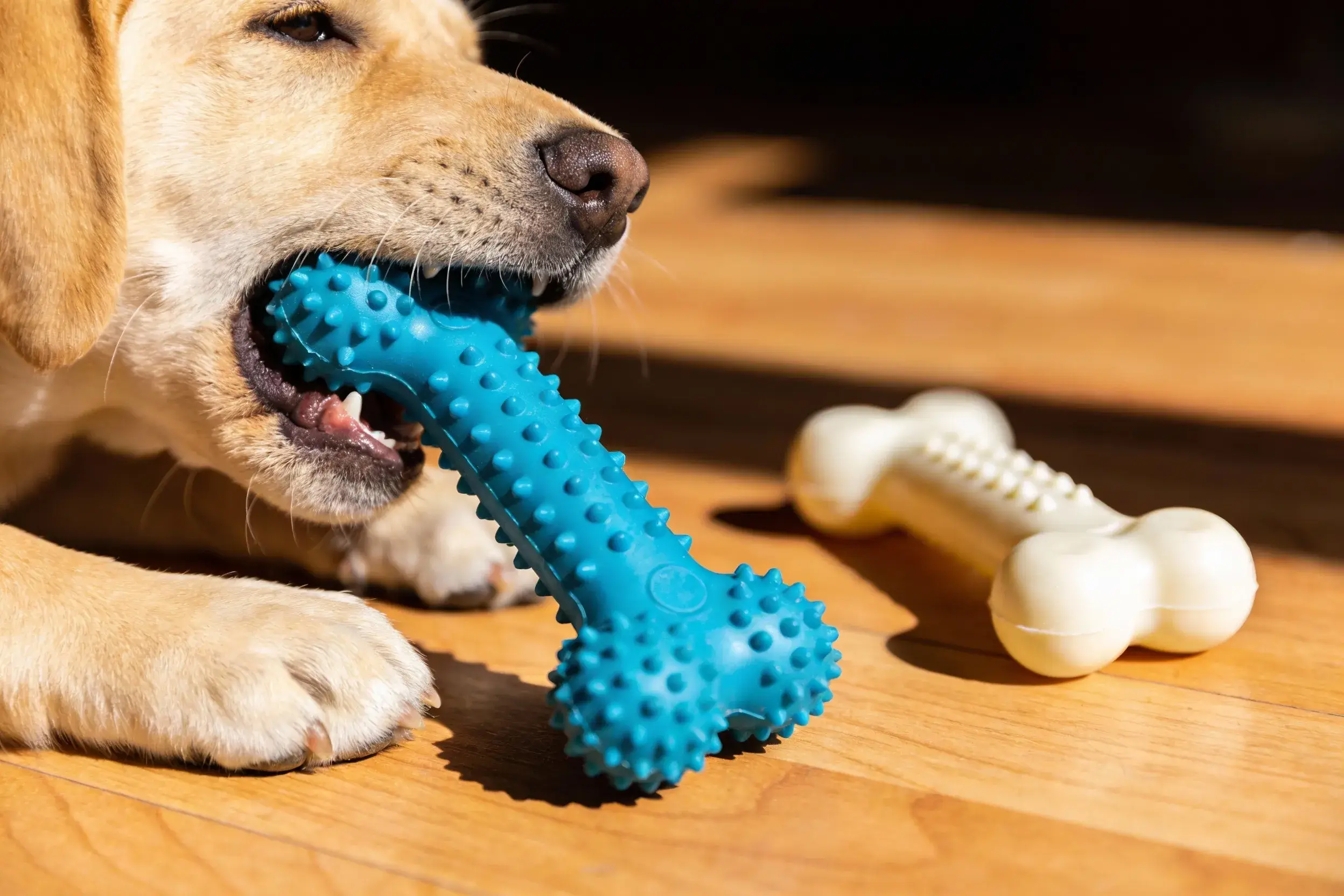
The Real Risks of Natural Bones
Natural bones—real animal bones from the butcher or pet store—are still popular. Many owners believe they’re the ultimate treat, but experience and dental data tell a different story.
What Goes Wrong With Real Bones
- Fractured teeth: Natural bones are extremely hard, especially weight-bearing leg bones. Dogs can break premolars or canines chewing them.
- Splintering: Cooked or dried bones often splinter. These shards can puncture gums, tongue, or even the digestive tract.
- Blockages: Swallowed bone pieces may cause severe intestinal blockages, sometimes requiring emergency surgery.
A client once brought in a Labrador who’d snapped a molar on a roasted beef bone. The dog needed an expensive extraction and weeks of soft food. That’s not rare—it’s a textbook outcome.
Key principle: If you can’t dent the bone by pressing a fingernail into it, it’s too hard for safe chewing.
Synthetic Dog Bone Toys: The Safer Alternatives
Synthetic bones—mainly nylon and rubber—were designed to avoid the hazards of natural bones. Each has a different risk profile, and not every synthetic is created equal.
The Contenders: Nylon and Rubber
| Feature | Nylon Bone Toys | Rubber Bone Dog Toys | Natural Bones |
|---|---|---|---|
| Hardness | Very hard | Firm but flexible | Extremely hard |
| Dental Risk | Possible tooth wear | Low, gentle on teeth | High risk of fracture |
| Splintering | Can create small shreds | Rarely, usually safe | Frequently splinter |
| Digestibility | Not digestible | Not digestible | Indigestible, but edible |
| Durability | Long-lasting | Good, varies by brand | Variable |
Why This Matters
Many pet owners don't fully grasp the toughness of synthetic toys. The absence of bone doesn't automatically make something safe for every dog. The best option hinges on your dog's chewing habits and their dental condition.
Nylon Dog Bone Toys: The Good and the Bad
Nylon bones are a common sight. They're built to last, budget-friendly, and often flavored to entice dogs. But is that durability a potential problem?
The Upside of Nylon
- Built to Last: For dogs that really chew, nylon bone toys tend to outlast most other options. Chew satisfaction is a given; the material's firmness offers a gratifying challenge for dogs that relish a good gnaw.
No organic matter means no worries about bacteria or decay.
Where Nylon Falls Short
Dental abrasion is a concern. Over time, the material's hardness can erode tooth enamel or even chip teeth, particularly in dogs that chew with gusto.
Shredding is another issue. Small, sharp pieces can break off as the toy ages. While swallowed fragments usually pass through, they can sometimes cause gastrointestinal irritation.
Not suitable for puppies or seniors. Young dogs with developing teeth and older dogs with worn teeth are at a higher risk.
If your dog is a notorious toy destroyer, nylon might seem like a good choice. But if you notice any tooth wear or chips, it's worth reconsidering.
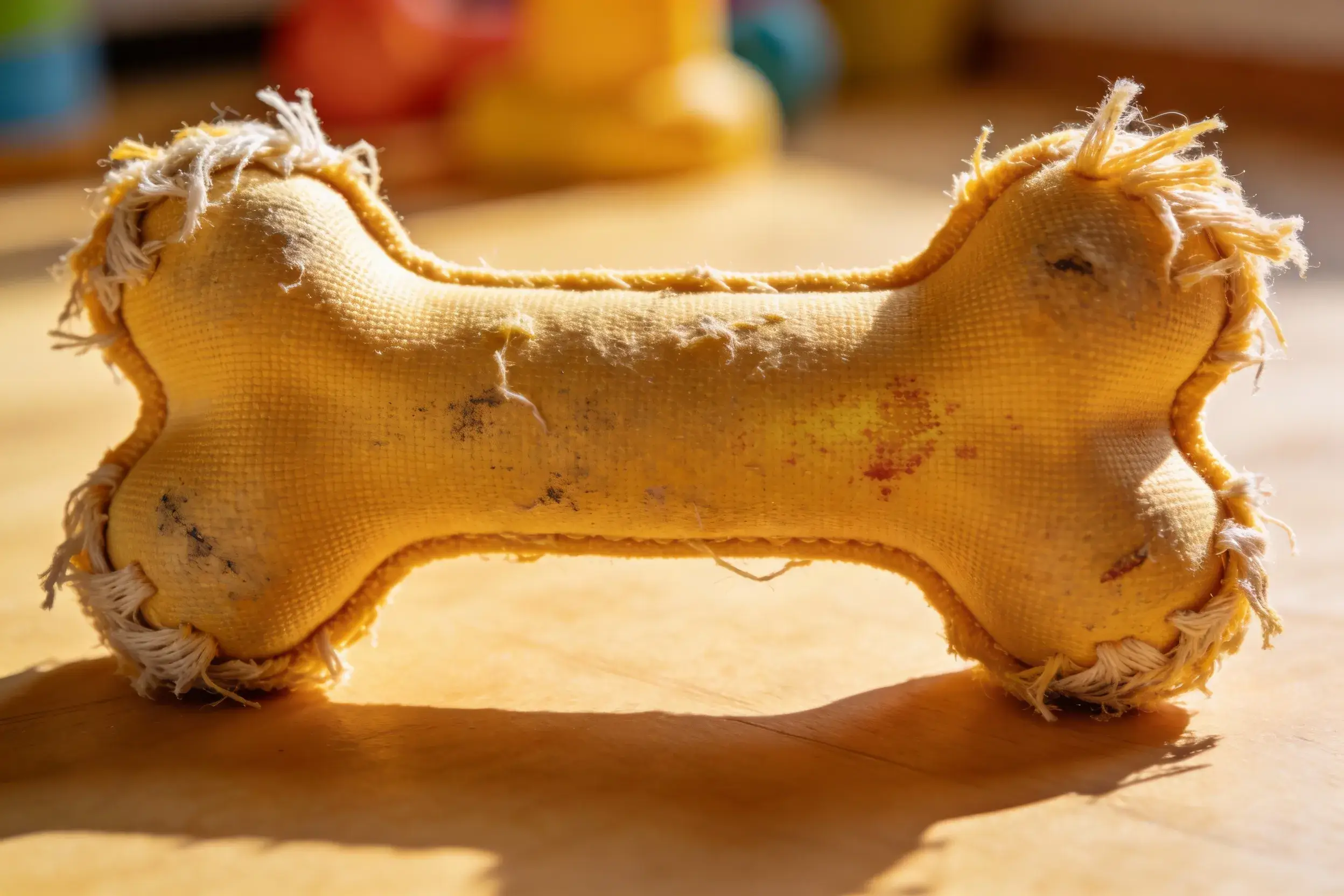
Rubber bone dog toys present a unique blend of safety and longevity, particularly when crafted from premium natural or synthetic rubber.
Rubber's Advantages
- Easy on the teeth: Rubber's give helps cushion the impact, lessening the chance of dental damage.
- Splintering is uncommon: Unlike nylon or real bones, rubber bones usually bend rather than shatter.
- Age-inclusive: Rubber bones are generally safe for dogs of all ages, as long as the toy's size is right.
Rubber's Limitations
Not ideal for aggressive chewers: Some dogs, when they put their minds to it, can rip off pieces, which could lead to swallowing or choking.
Lifespan is a consideration. Rubber tends to wear down quicker than nylon, particularly when faced with powerful jaws. Some brands hold up better than others; it's wise to read reviews and look at what the manufacturer says.
In my experience, a 65-pound pit bull I treated managed to destroy most "indestructible" rubber toys within a week, yet never chipped a tooth. The downside? More frequent toy replacements, but fewer trips to the vet for dental issues.
Nylon vs. Rubber: Which Should You Choose?
Both nylon and rubber dog bone toys have a place, but your dog’s safety depends on matching the toy to their needs.
Decision Framework
Assess chewing strength:
- Light to moderate chewers: Rubber is safer and less likely to damage teeth.
- Extreme chewers: Nylon may last longer, but requires supervision and regular inspection.
Consider dental history:
- History of broken or worn teeth? Avoid hard nylon.
- Healthy teeth, adult dog? Either may work, but rubber is the gentler bet.
Age and breed:
- Puppies and seniors: Always choose softer rubber bones.
- Large, powerful breeds: Look for extra-tough rubber or reinforced nylon, but check teeth regularly.
Monitor wear:
- Replace toys at the first sign of sharp edges, deep grooves, or missing chunks.
What Most Owners Overlook
Many assume “tougher is better,” but the hardest toys can cause hidden dental damage over months or years. Always check the toy’s hardness: If you can’t press a fingernail into it, it’s likely too hard for everyday use.

Actionable Takeaways
Avoid giving your dog natural bones; they're a dental disaster waiting to happen, with fractures and splinters a frequent outcome.
Rubber bone toys are generally the safest and most long-lasting option for most dogs. They're particularly good for puppies, older dogs, and those who don't chew with a vengeance.
Nylon bone toys are best reserved for dogs that are serious about chewing, and even then, regular dental check-ups are a must.
Always check your dog's toys for signs of wear and tear, and replace them before they become a problem.
The key point: It's not about how long a toy lasts; it's about what keeps your dog's teeth and gums healthy over the long haul.