

Creative Solutions: Toys for Diggers - Redirecting Instincts
Dogs that dig can swiftly transform a tranquil home into a landscape of shredded upholstery, uprooted plants, and general exasperation. If you're looking for a way to safeguard your surroundings while still honoring your dog's innate behaviors, you've come to the right place. This piece offers dog owners advice on choosing and utilizing digging dog toys to steer destructive digging towards constructive play. Inside, you'll discover practical advice on toys such as snuffle mats and the iDig system, along with a strategy for shifting your dog's focus away from your garden (or your sofa) and toward an appropriate outlet.
Discover how to protect your home by channeling your dog's digging instincts into specially designed toys, featuring effective products and practical techniques.
Why Dogs Dig—and Why Redirecting Matters
Digging isn't a defect; it's a natural behavior. Certain dog breeds, particularly terriers and hounds, have been selectively bred for digging behaviors over many generations. Even smaller breeds or mixed-breed dogs frequently dig due to boredom, anxiety, or simple enjoyment.
Merely scolding the dog, without addressing the underlying cause, is seldom effective. In reality, such an approach frequently exacerbates the problem, resulting in increased destructive behavior. The most practical and humane approach involves redirection: providing the dog with a designated area and appropriate tools where digging is not only permitted but also positively reinforced.
The significance of this lies in the fact that uncorrected digging behaviors rarely resolve spontaneously. Left to its own devices, it becomes a routine. Habits are far more difficult to dismantle than it is to guide instincts when they're still fresh.
Snuffle Mats: Satisfying the Search Instinct Indoors
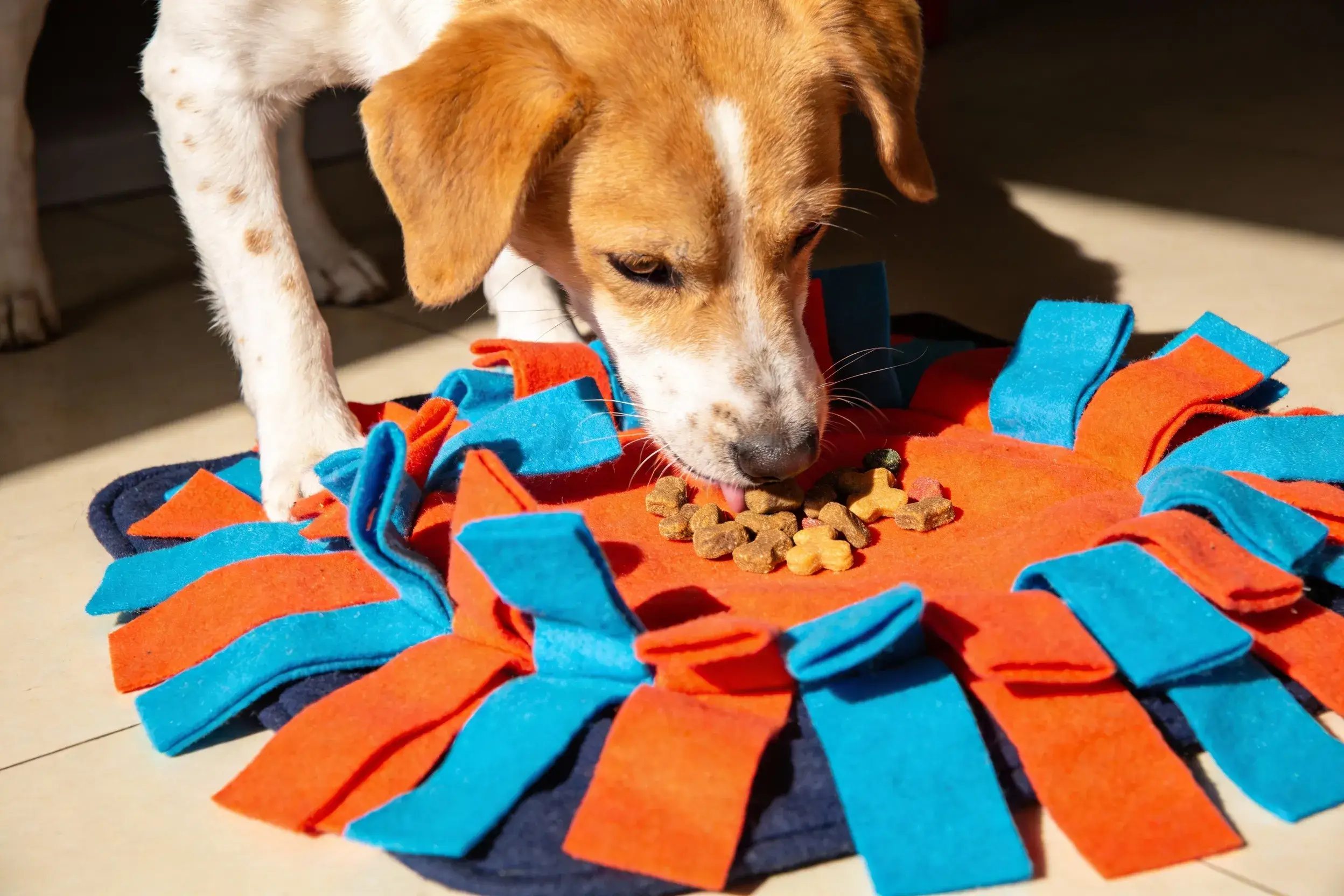
Snuffle mats are essentially thick, fabric mats, crammed with folds and pockets. Owners conceal treats or kibble within the fabric strips, transforming mealtime or playtime into a miniature hunting adventure. The dog employs its nose and paws, digging, sniffing, and foraging.
Practical Example: The Snuffle Mat
Imagine your beagle has a thing for burrowing into the couch. Rather than scolding, you set up a snuffle mat before you typically leave (let's say, when you head to work). Conceal a bit of their morning meal within it. The dog will then spend 10–15 minutes "digging" for their food, engaging both their mind and body in a constructive manner.
Benefits:
- Taps into their natural foraging behavior
- Slows down those speedy eaters
- Perfect for apartments or smaller living spaces
Snuffle mats aren't a cure-all. Some dogs might lose interest if the reward isn't varied enough, or if the mat is too simple. Switch up the treats and occasionally toss in a favorite toy to keep things interesting.
The iDig System: Tailored for Digging Dogs
The iDig, also known as the "i dig dog toy," is a plaything crafted for dogs with a penchant for digging. Unlike typical plush toys, the iDig incorporates multiple fabric flaps or pockets. These are designed to replicate the resistance and gratification of digging in actual soil, minus the outdoor chaos.
How It Functions
The iDig features removable flaps or pouches. Owners conceal treats or toys within the layers. The dog then employs its paws, nose, and even claws to "dig" through the layers, uncovering hidden treasures.
Comparison Table: Snuffle Mats vs. iDig System
| Feature | Snuffle Mat | iDig System | Traditional Toy |
|---|---|---|---|
| Designed for digging | Indirect (foraging) | Direct (digging action) | No |
| Mess-free | Yes | Yes | Yes |
| Engagement time | 10–20 minutes | 15–30 minutes | 2–5 minutes |
| Durability | Moderate | High | Low–Moderate |
| Breed suitability | All, esp. small/medium | All, esp. strong diggers | Varies |
The iDig system is more expensive than most mats. However, in my experience, it outlasts cheaper toys and holds attention longer for dedicated diggers (think terriers, huskies, or young retrievers).
Redirecting Outdoor Digging: Step-by-Step
Indoor digging toys are not a cure-all if your dog is already obsessed with the backyard. Here’s a framework I’ve seen work for redirecting outdoor digging indoors:
- Observe Patterns: Note when and where your dog digs. Is it after meals, when left alone, or tied to excitement?
- Introduce the Toy Before Triggers: Give access to the digging toy 5–10 minutes before the usual digging time.
- Reward Interest: When your dog uses the toy, praise or treat them. If they go for the yard or couch, gently lead them back to the toy. No scolding.
- Increase Difficulty Gradually: Start with easy-to-find treats, then make the hiding spots trickier.
- Block Unwanted Spots: Temporarily restrict access to “forbidden” digging areas while the new routine forms.
Failure usually happens when the toy isn’t interesting enough, or when owners expect instant results. It can take a week or two for the habit to shift, and some dogs need more challenge or variety.
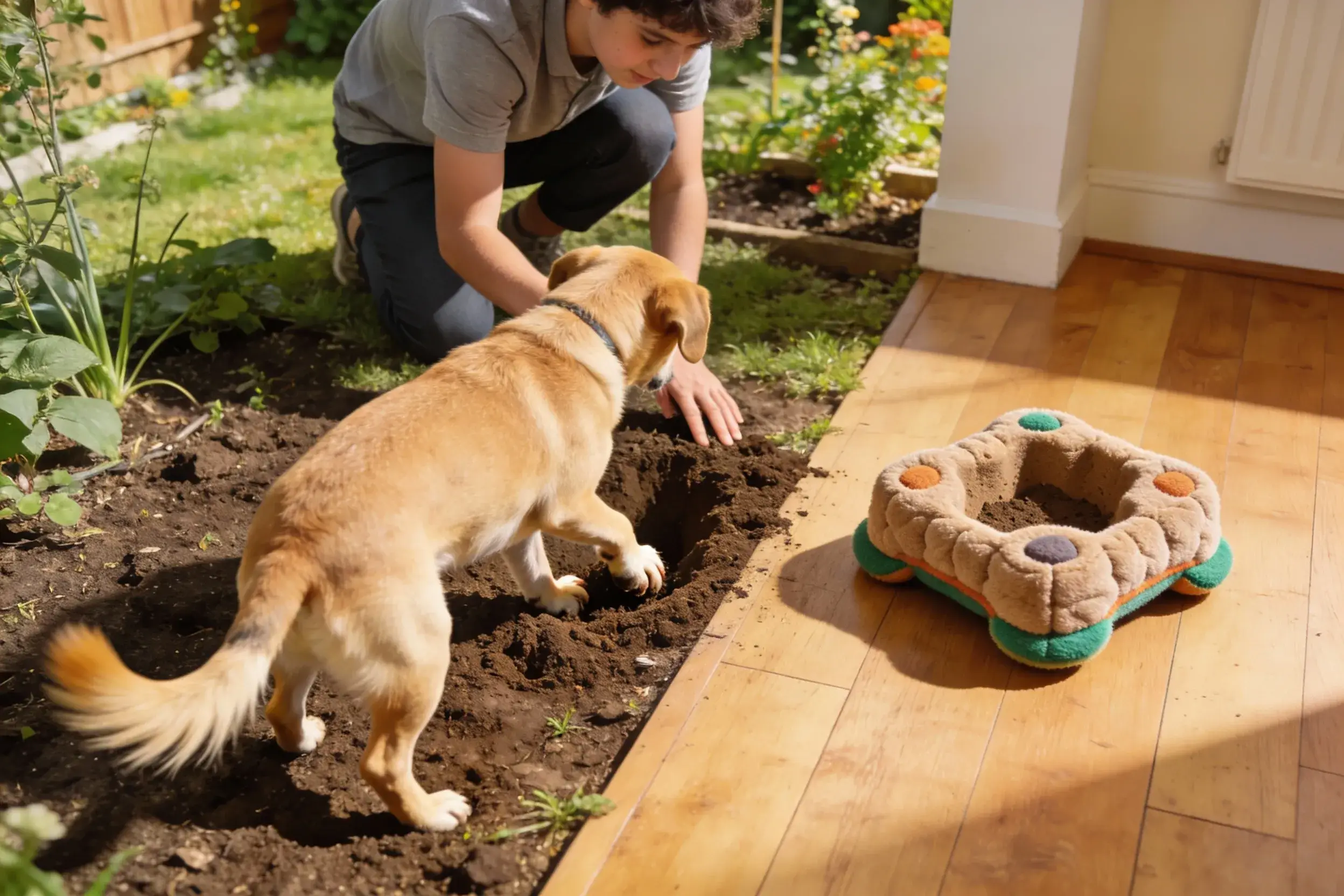
What many people miss: the right toy for the right dog.
Not all "digging dog toys" are created equal. Smaller breeds, think Dachshunds or Chihuahuas, often favor softer, less resistant digging surfaces. Bigger breeds, or those with a strong instinct to hunt, require toys built to last and present a greater challenge.
A frequent error: purchasing a snuffle mat or an iDig, plopping it down, and hoping for the best. Real engagement stems from the toy's design and the owner's participation, at least initially.
Here's a quick reference:
- For high-energy, determined diggers: iDig system or a digging pit filled with sand or blankets (supervised, of course)
- For moderate, inquisitive diggers: snuffle mat or treat ball with kibble hidden inside
- For anxious or bored dogs: rotate toys, switch up hiding spots, and incorporate calming scents
Indoor Digging Toys for Dogs: Alternatives and Criteria
Not every pet parent can splurge on a top-of-the-line toy immediately. Here's how to assess other options:
- Sturdiness: Will it hold up against enthusiastic digging?
- Ease of cleaning: Is it machine washable, or at least simple to wipe down?
- Safety: Are there any small parts that could pose a choking risk?
- Adaptability: Can you alter the hiding spots or make it more challenging?
Considering a DIY approach? Layer old towels with treats, or use boxes filled with crumpled paper. Just keep an eye on things and take away anything that could be swallowed.
If you're looking for something commercially available but less pricey than the iDig, search for "indoor digging toys for dogs" that offer a variety of textures and concealed compartments. Steer clear of single-layer mats if your dog is a serious digger; they'll lose interest quickly or tear them apart.
Summary: Choosing and Using Digging Dog Toys Wisely
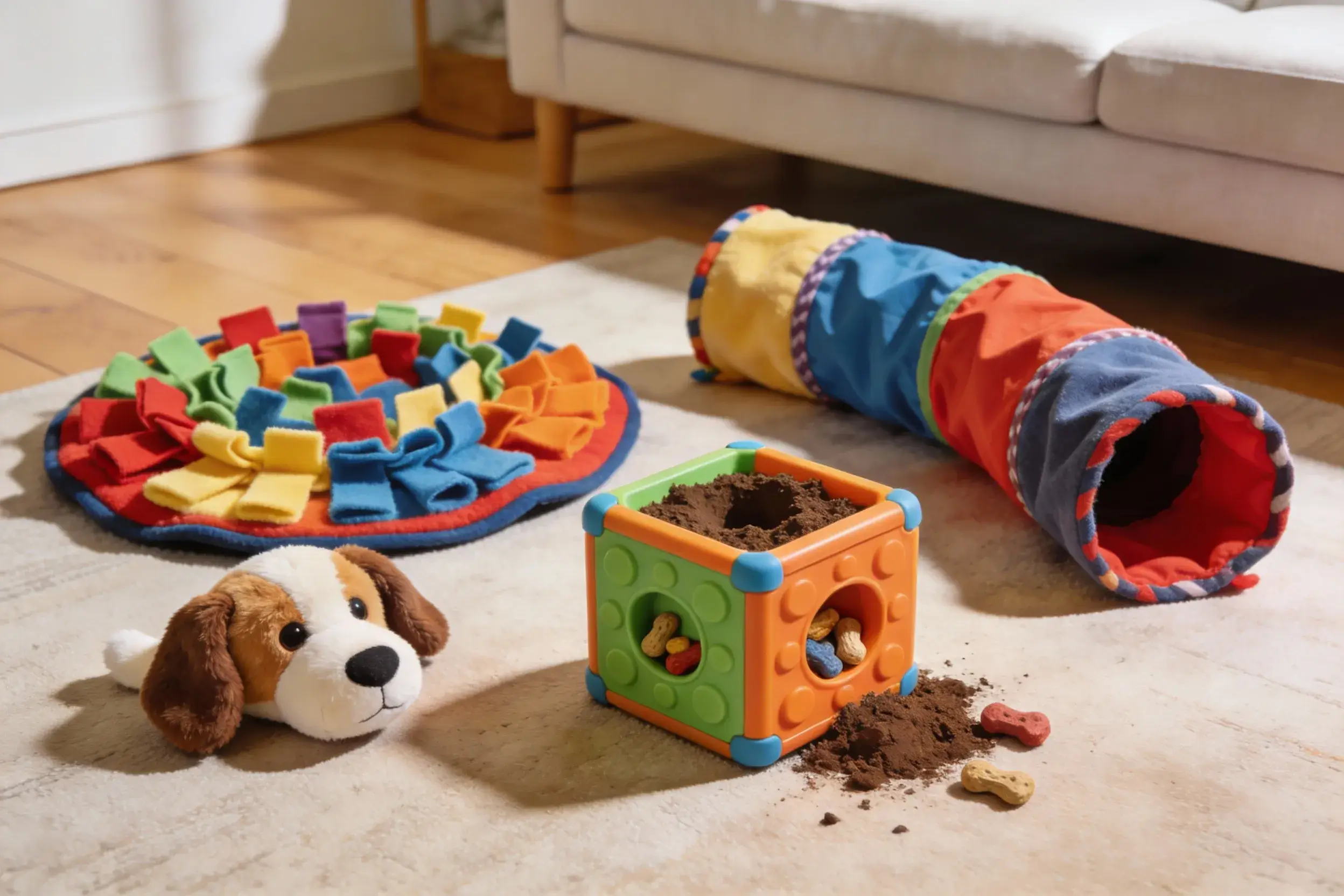
To save your home (and sanity), respect your dog’s need to dig—but channel it. Snuffle mats and the iDig system both redirect instinct in a positive, mess-free way. Match the toy to your dog’s breed, size, and energy. Don’t expect miracles overnight; consistency and creativity are key. If you remember one thing: digging is not a problem to punish, but an instinct to manage—preferably with the right tool, at the right time, for your unique dog.