

Can Dogs Play with Catnip Toys? Myth Buster
Can dogs and catnip toys coexist? It's a question that pops up for many pet owners. We've all witnessed the frenzy a cat goes into when presented with a catnip-filled toy. But what if a dog gets hold of the same thing? Are catnip toys for dogs a good idea, a waste of time, or something to be avoided? This piece is for dog owners seeking the real story, not just hearsay, about letting their dogs play with catnip or catnip-infused toys. You'll discover how catnip affects dogs, whether it's safe for them, and what other options might be more appealing if your dog isn't interested in catnip.
In short, this guide covers why catnip toys don't usually do much for dogs, their safety, and what alternatives can actually keep your dog engaged.
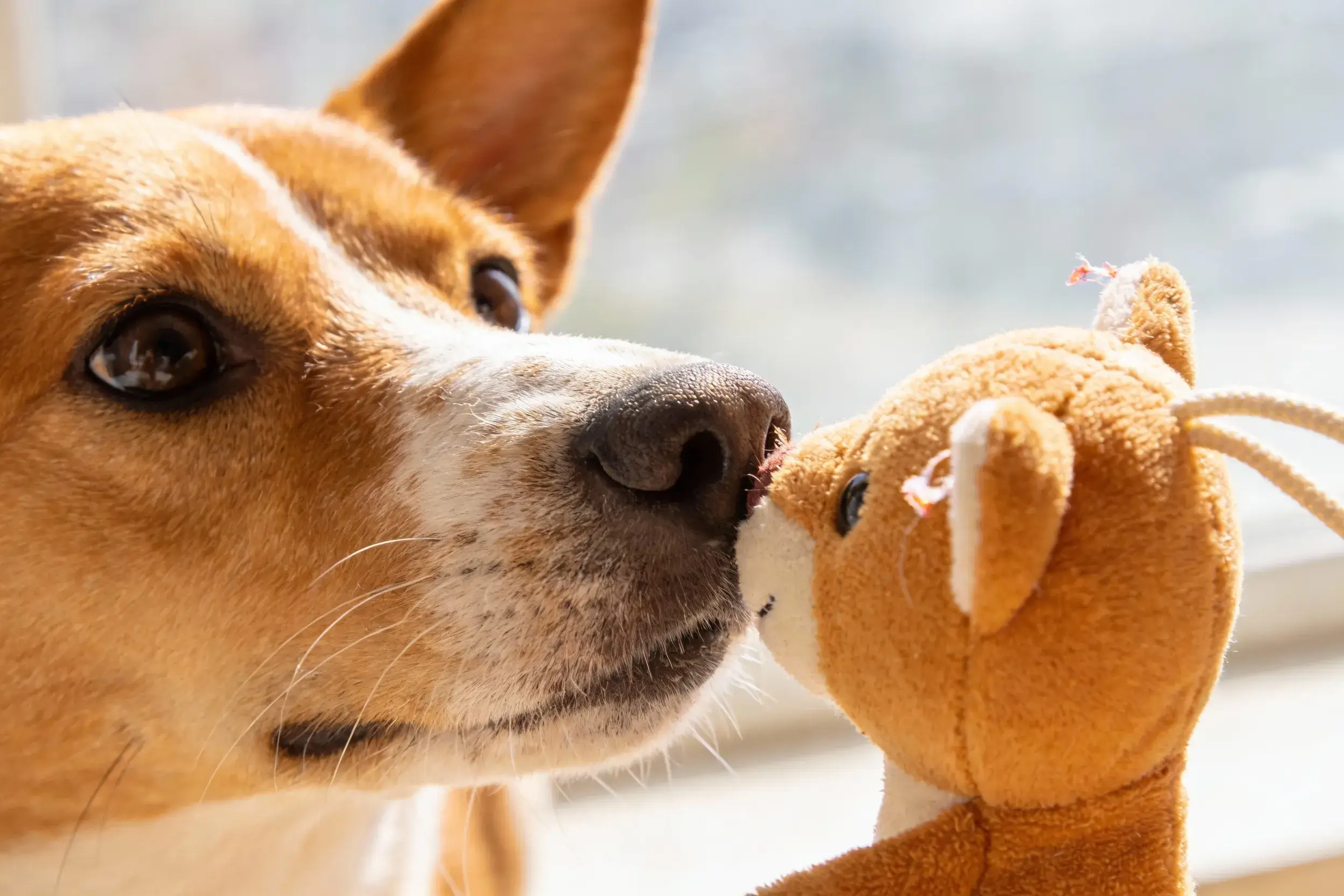
Catnip, or Nepeta cataria, is well-known for its ability to send many cats into a frenzy of playfulness. The active ingredient, nepetalactone, sparks a distinctive neurological reaction in these animals. But what about our canine companions?
The Science: Nepetalactone and Dogs
For the majority of dogs, nepetalactone doesn't elicit the same hyperactive response observed in cats. In fact, most research and personal accounts indicate that dogs either disregard catnip entirely or, at most, become somewhat more relaxed when exposed to it.
- Excitement? Uncommon. Don't anticipate any zoomies.
- Sedation? Occasionally. A few dogs might appear calmer.
- No effect? Quite frequent.
Why? Dogs simply don't possess the specialized olfactory receptors that send cats into a frenzy over catnip. Consequently, if your dog encounters a catnip-filled toy, expect a cursory sniff and then a general lack of interest.
"Most dogs are unmoved by catnip. If you're envisioning a canine equivalent of the catnip phenomenon, prepare to be let down."
Can Dogs Have Catnip Toys?
If you're wondering, "can dogs have catnip toys?"—the short answer is yes, with some important considerations. Catnip itself isn't harmful to dogs in small doses. The real issue lies in the toy's design: many cat toys aren't made to endure a dog's chewing, which raises the possibility of choking or the ingestion of stuffing or small components.
A quick safety checklist for catnip toys and dogs:
- Is the toy durable enough to withstand your dog's bite?
- Are there any small, removable parts that could be swallowed?
- Is the stuffing safe if the toy is punctured?
If you're unsure about any of these, it's best to avoid the cat toy and seek out options specifically designed for dogs.
Catnip Toys and Dogs: Real-World Scenarios
So, your dog discovers a catnip mouse lurking beneath the couch. What happens next? Here's a look at the possibilities:
Scenario 1: The Unfazed Toy
More often than not, the dog will sniff the mouse, perhaps give it a cursory lick, and then move on. No fuss, no frills—just a complete lack of interest.
Scenario 2: The Destroyer
Some dogs are relentless when it comes to soft toys, regardless of what's inside. Here, the issue isn't the catnip itself, but the toy's ability to withstand the onslaught. A torn-up cat toy could mean swallowed fabric or plastic eyes, both of which are choking hazards.
Scenario 3: The Surprisingly Relaxed Dog
Occasionally, a dog might appear a bit more relaxed after encountering catnip. Some owners incorporate dried catnip into homemade treats or bedding to promote mild relaxation, though the effect is often subtle and unpredictable.
Key principle: Catnip toys for dogs are mostly safe if the toy is robust, but don’t expect entertainment value or enrichment.
What Most People Overlook: The Importance of Species-Appropriate Enrichment
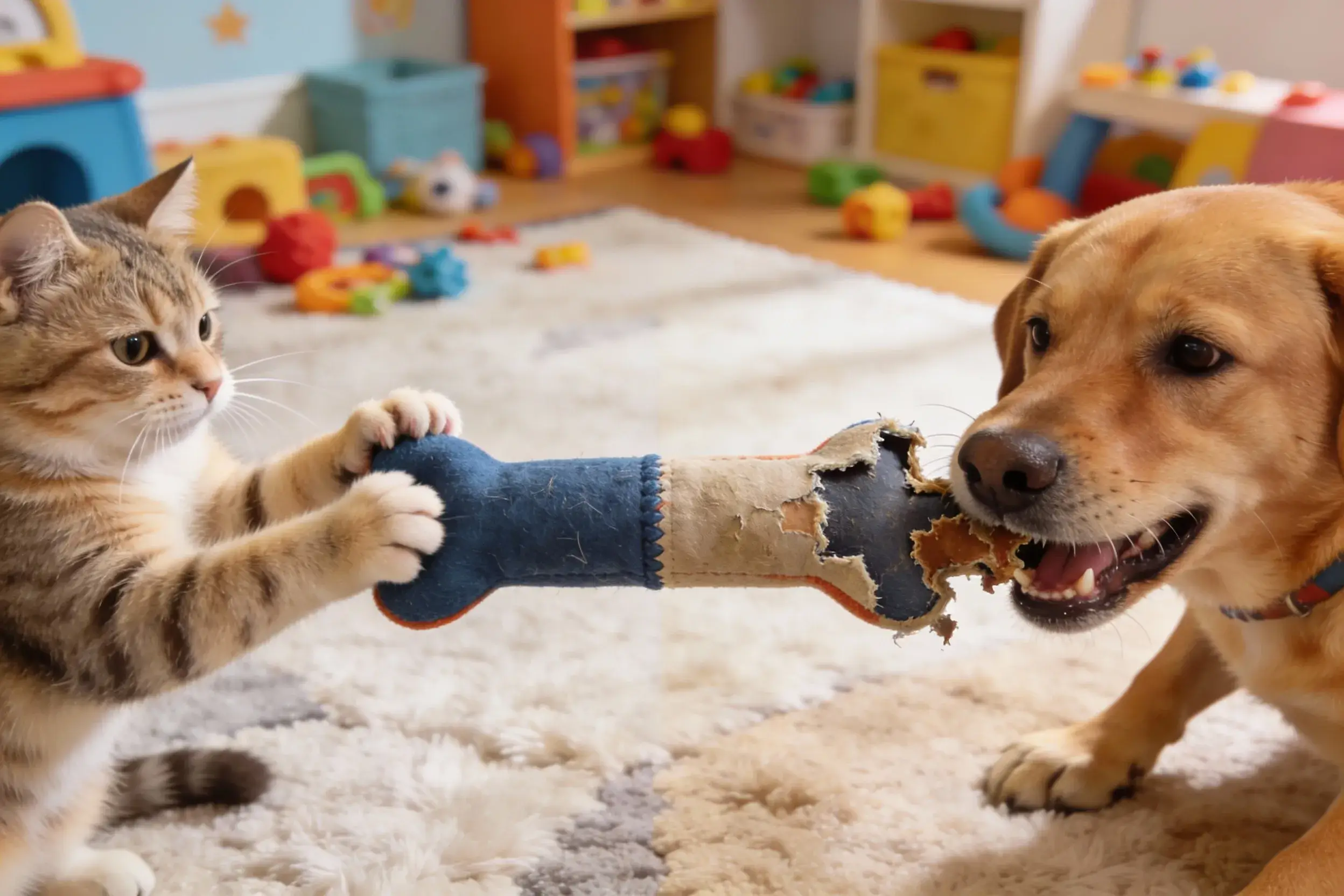
Many owners assume what works for cats will work for dogs. This is rarely true when it comes to sensory play. The mistake is thinking “catnip toy = enrichment for all pets.” In reality, the best enrichment is tailored to species-specific instincts.
Why Catnip Fails for Most Dogs
Dogs are far more responsive to scent-based toys featuring animal proteins, leather, or even spices like anise (which is safe in moderation). Catnip is simply not on their radar.
Table: Catnip vs. Anise vs. Regular Dog Toys
| Feature | Catnip Toy (for Dogs) | Anise Toy | Standard Dog Toy |
|---|---|---|---|
| Attraction | Low | High (for many dogs) | High (if favorite) |
| Durability | Usually low | Varies | Usually high |
| Safety for Dogs | Varies | Safe in moderation | Designed for dogs |
| Enrichment Value | Minimal | Moderate | High |
Alternatives That Actually Work
Looking to give your dog a sensory boost? Forget the catnip and consider these:
- Anise-scented toys: Dogs often find anise, the spice (not the potentially harmful star anise), to be quite captivating.
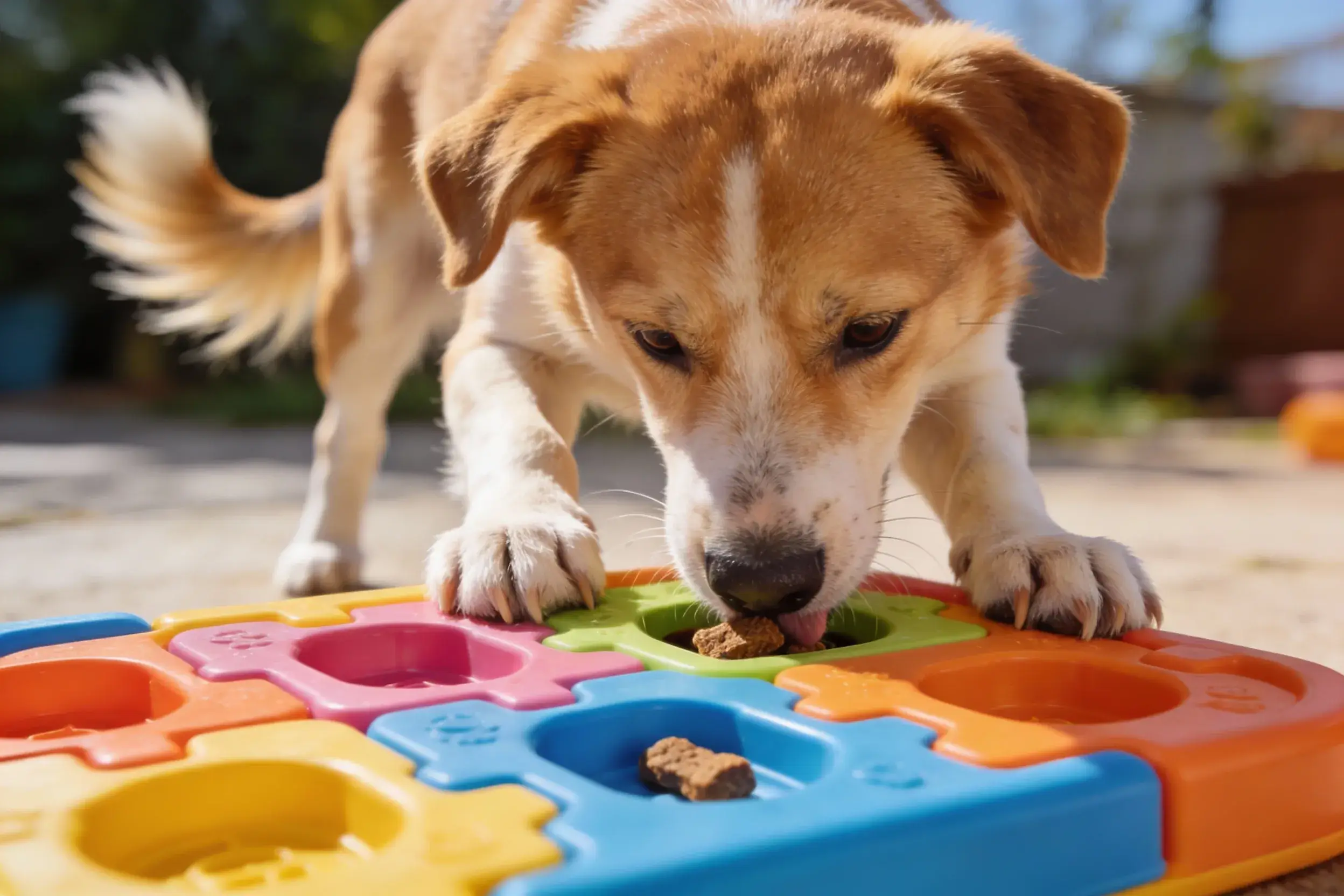
- Puzzle feeders: These toys tap into your dog's natural hunting and problem-solving abilities.
- Chew toys with meaty scents: Specifically designed for a dog's mouth and nose.
- Scent trails: Hide treats or toys around your house or yard.
These choices offer genuine enrichment and are safe for your dog.
Safety First: The Essentials
Before you even think about giving your dog a toy, catnip-infused or not, keep these things in mind:
- Always keep an eye on your dog when they're playing with new toys, particularly those not made specifically for them.
- Look for anything that could be a problem: loose bits, weak stitching, or anything your dog might try to eat.
- If your dog seems off after playing with catnip—think upset stomach, unusual tiredness, or strange behavior—get in touch with your vet. It's not common, but it can happen.
The Toy Dilemma: Catnip for Dogs?
Consider these questions:
- Is the toy built to last for my dog?
- Am I hoping to provide mental stimulation, or just something to chew on?
- Would a toy made for dogs be a better, safer choice?
If you're looking to spice up your dog's day, catnip toys aren't the answer. Instead, opt for toys specifically designed for dogs and their particular needs.
Here's what you should know:
- Catnip toys often go untouched by dogs, or they might provide only a slight sense of relaxation.
- Any safety issues are more about the toy's construction than the catnip itself.
- For genuine enrichment, consider toys scented with anise, puzzle feeders, or chew toys made specifically for dogs.
- Always keep an eye on your dog when they're playing with a new toy, especially if it's not originally intended for them.
To make your dog happier and more engaged, focus on toys that cater to their instincts, rather than repurposing what's already in the house.