

Calming Toys for Dogs: Ease Separation Anxiety with Lick Mats & Heartbeat Toys
Dog owners facing the daily challenge of leaving their anxious pets at home know the struggle isn’t just emotional—it’s practical. Anxiety toys for dogs aren’t a marketing gimmick, but a real solution for tackling destructive chewing, barking, and distress when you walk out the door. This guide explains how calming toys, specifically Lick Mats and Heartbeat Toys, can genuinely help dogs with separation anxiety. You’ll also find a practical, step-by-step Toy Distraction Plan for smoother departures.
This article explains how Lick Mats and Heartbeat Toys work to calm separation anxiety, offers a realistic distraction plan for departures, and helps dog owners choose the right calming toys for lasting relief.
Why Dogs Panic When Left Alone—and Why Toys Aren’t All the Same
Separation anxiety in dogs is more than whining. It’s a surge of stress that can trigger barking, destructive chewing, pacing, and even accidents indoors. Some breeds are more prone to it, but any dog can develop anxiety—especially after big changes (moving house, new routines, or even pandemic shifts).
Not all toys solve this. A squeaky ball or rope tug may entertain a playful dog, but for true anxiety, you need calming toys for dogs designed to address emotional distress, not just boredom.
What many dog owners get wrong is thinking that just because a toy is busy, it will keep their dog calm. The truth is, a toy that overstimulates, like a ball that makes noise, can actually make a dog more agitated. The most effective toys for separation anxiety are the ones that calm, not excite, and that difference is key.
How Lick Mats Help Anxious Dogs: The Science and the Drawbacks
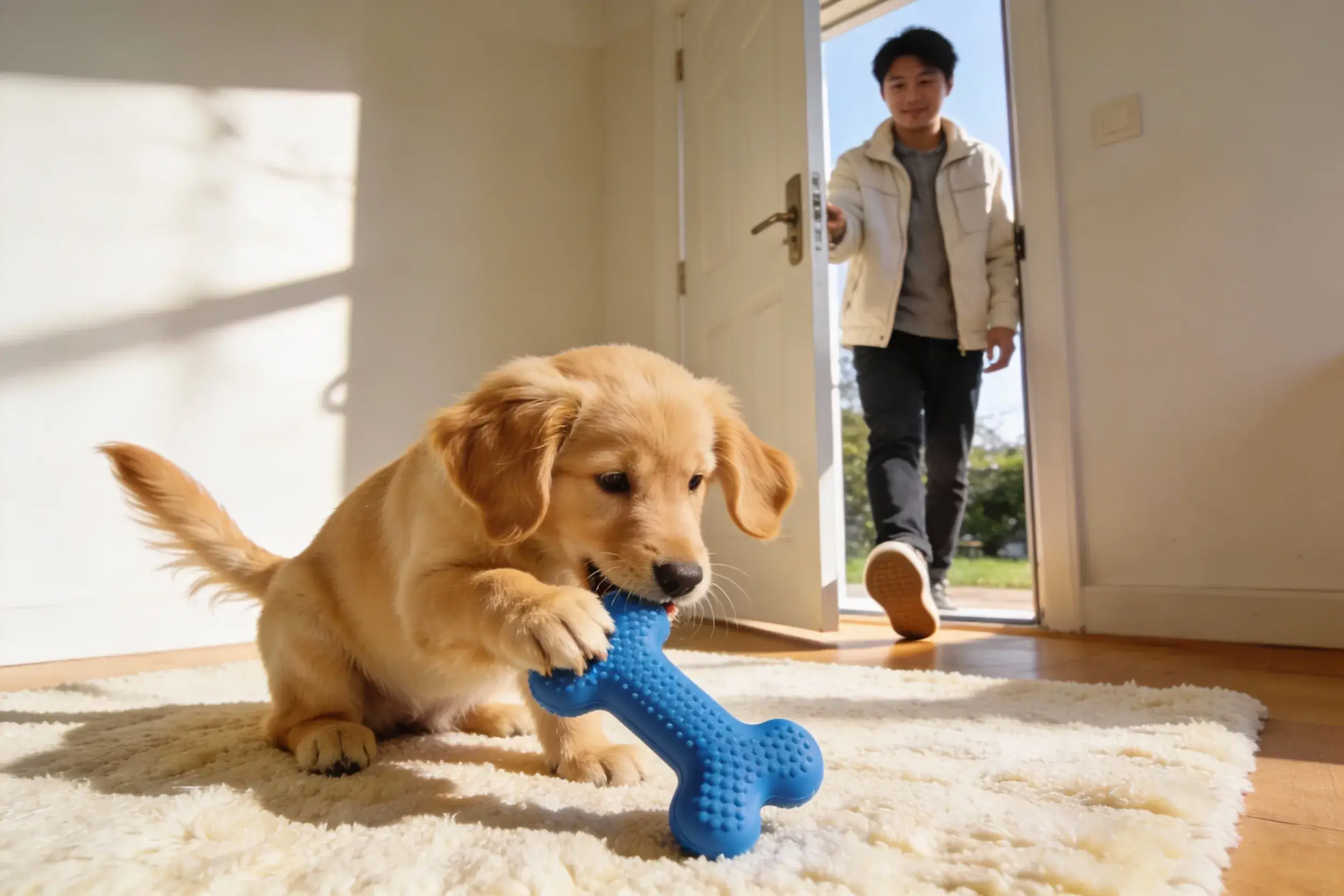
Lick Mats aren't just a fad; they address a genuine behavioral need. When dogs lick a textured mat smeared with peanut butter, yogurt, or wet food, they're engaging in a repetitive, calming action. This behavior is linked to self-soothing, similar to a dog licking its paws to relax.
Why Lick Mats Are Effective
- Diverts attention from the door: Your dog becomes focused on a pleasurable activity, rather than your departure.
- Promotes relaxation: Licking triggers the release of endorphins, which can help reduce stress levels.
- Slows down mealtime: It's not a fast food situation; it's a slow, interactive process.
However, a Lick Mat isn't a cure-all for serious anxiety. Some dogs will ignore the mat the instant they sense you're about to leave. In these instances, combining it with other strategies, such as Heartbeat Toys, is frequently the best approach.
A Word on Timing
Introduce the Lick Mat before you even think about grabbing your keys. If you only offer it when you're about to leave, your dog might start to see the mat as a signal that you're going, which could make it a source of anxiety, rather than a source of comfort.
Heartbeat Toys: Why “Imitation Comfort” Eases Panic
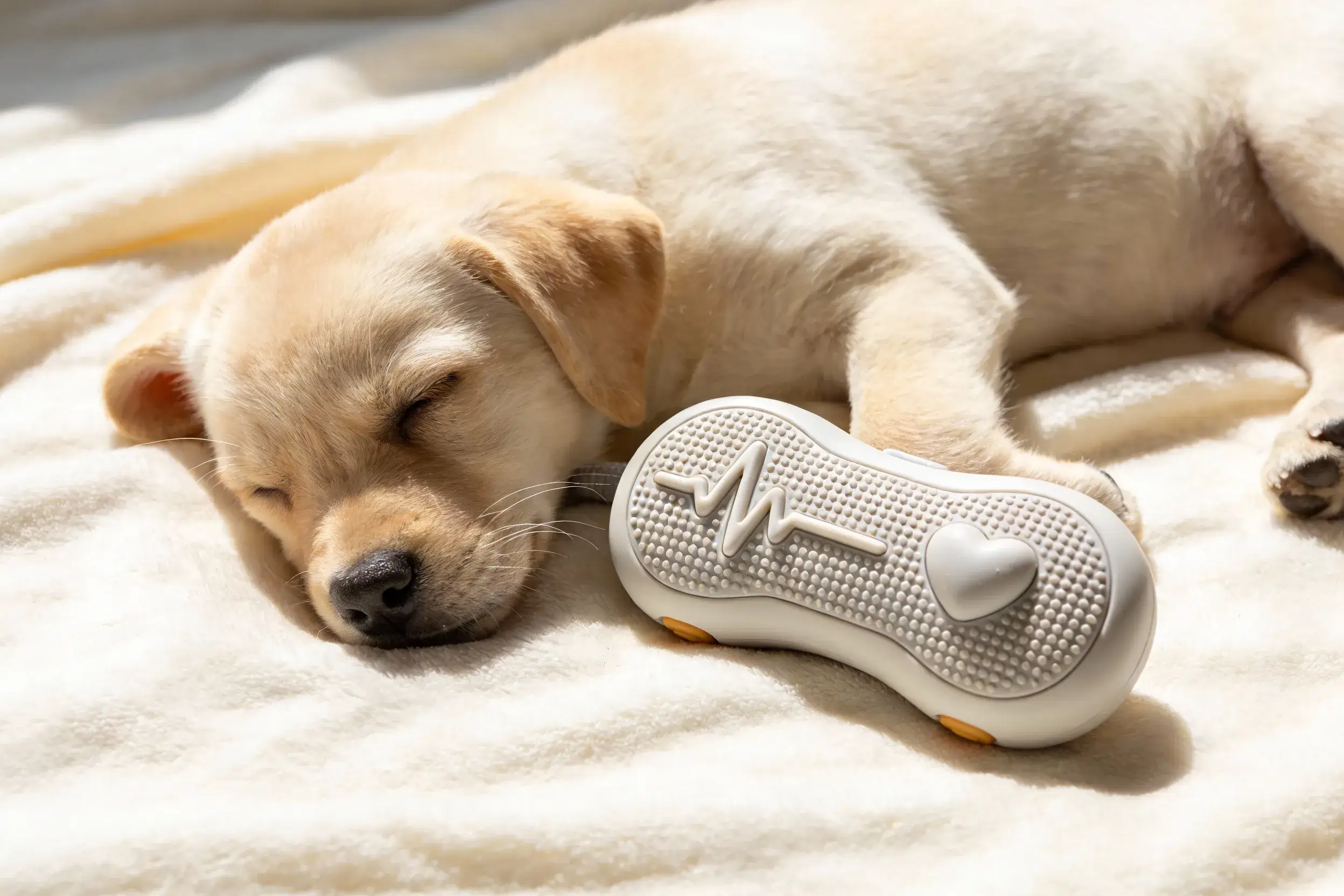
These are stuffed animals equipped with a device that simulates a heartbeat. The idea is simple: dogs, particularly young ones, find solace in the sound and presence of something alive.
What Works—and What Fails
Works:
- Dogs with a close bond to people or other dogs frequently find peace with a Heartbeat Toy, as it tricks their senses into feeling less isolated.
- Puppies, recently separated from their littermates, gain the most benefit—the heartbeat mimics the comfort of being with siblings.
Fails:
- Some adult dogs find the heartbeat sound more of a distraction than a comfort.
- Dogs that are prone to aggressive chewing might destroy the toy, posing a risk of swallowing stuffing or batteries, making supervision essential.
| Toy Type | Best For | Major Drawback |
|---|---|---|
| Lick Mat | Food-motivated dogs | Can become a “departure cue” |
| Heartbeat Toy | Puppies, needy adults | Not chew-proof, may distract |
Toy Distraction Plan: Making Anxiety Toys Work for You
Here's the nitty-gritty. It's simple enough to purchase a calming toy. Getting it to actually help takes some thought. Follow this Toy Distraction Plan each time you leave:
Half an hour before you go: Get the Lick Mat ready or fill the Heartbeat Toy (if that's what you're using). Put it away.
Ten minutes beforehand, bring your dog to a quiet area. Present the toy without any fuss—no elaborate send-off.
Depart quietly. Avoid lingering farewells. If your dog is preoccupied, make your exit. If not, wait until they're engrossed in the toy.
If you can, watch via camera. Are they playing with the toy for a good five to ten minutes? If not, consider changing the toy or the timing for next time.
A common mistake: relying too heavily on toys.
No toy will fix serious anxiety if the necessary training isn't there. If the toys lose their charm or your dog ignores them, it's a sign: pair toys with desensitization training or seek advice from a behaviorist.
Selecting the Ideal Calming Toy for Your Dog
Finding the right calming toy isn't a one-size-fits-all approach. Here's a simple guide to help you decide:
- For Chewers: Steer clear of plush toys with batteries. Instead, opt for robust, rubber-based Lick Mats.
- For Puppies: Heartbeat Toys are often the best choice, particularly when used in crates.
- For Senior Dogs: Lick Mats infused with potent flavors, such as liver or pumpkin, can rekindle their interest.
Consider this: Does your dog lose interest in toys quickly? Rotating between two different toys might help. Are they still anxious even after playtime? Boost enrichment activities outside of when you're leaving; sometimes, plain old boredom can make anxiety worse.
What Really Works to Ease Separation Anxiety
- The right anxiety toys for dogs can help calm a panicked pup, but they need to be introduced carefully—not just tossed at them when you're about to leave.
- Lick Mats offer comfort through repetitive action, while Heartbeat Toys mimic the feeling of companionship.
- Choose the toy based on your dog's age, how they chew, and their level of anxiety. Keep an eye on new toys until you're sure your dog is okay with them.
- No single toy will fix everything; use them as part of a larger plan to manage anxiety, which might also involve training or professional guidance.
Every anxious dog is unique. Try different things, watch closely, and be flexible—the solution is rarely the same for every dog.